Best Shave Brush: Badger, Boar, and Synthetic Picks
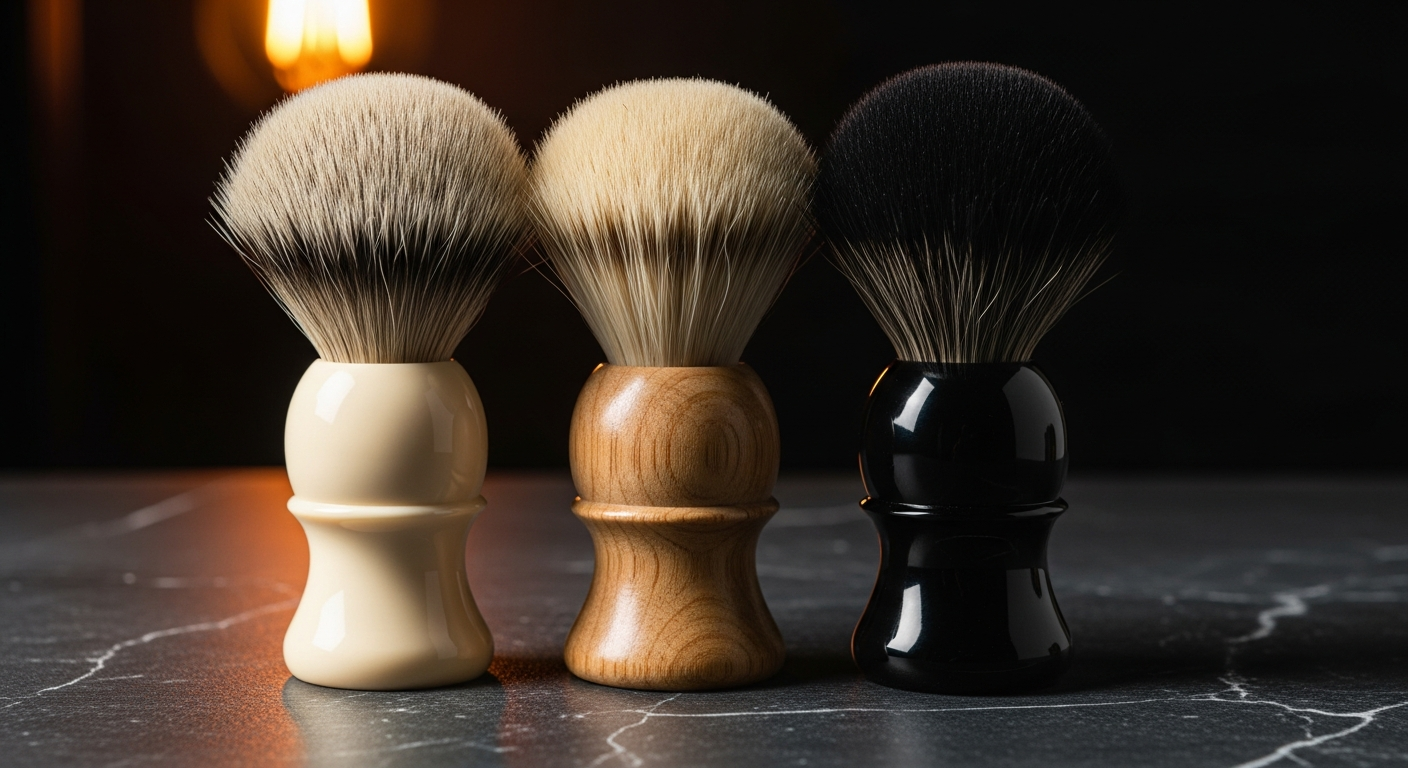
The best shaving brushes for most wet shavers, based on years of community consensus across r/wetshaving and Badger & Blade: AP Shave Co 24mm Synbad (best budget synthetic), Omega 10048 (best boar), Maggard Razors 24mm Two-Band (best mid-range badger), and Simpson Chubby 2 (best luxury silvertip). Full breakdowns and who each one suits best are below.
The shaving brush you pick has more influence on your lather quality than your soap, your razor, or your technique. Pick the wrong one and you spend six months fighting a stiff, scratchy knot that never fully breaks in. Pick the right one and every morning shave opens with a genuinely pleasant two minutes of face lathering.
This guide pulls from thousands of posts on r/wetshaving, recurring threads on Badger & Blade, and Sharpologist coverage to surface what the community actually uses and keeps recommending year after year. No lab claims. Just the brushes wet shavers replace their old ones with.
Shavory earns a commission on qualifying purchases through the Amazon links on this page, at no extra cost to you. Picks are chosen on performance and value, not on commission.
Badger, Boar, or Synthetic: Which Hair Type Should You Buy?
Each fiber type has a different feel on the face and a different learning curve. Knowing the difference before you buy saves you from returning a perfectly good brush because you expected the wrong thing.
Badger hair is the traditional choice. It holds water well, generates dense, warm lather, and the tips soften noticeably against skin. Silvertip is the softest grade; two-band sits a step below but still has a pleasant floppy feel that many shavers prefer for face lathering. Badger knots cost more, and wild-harvested sourcing is an ethical issue worth knowing about before you buy.
Boar hair starts coarser than badger and needs a break-in period of roughly 15 to 30 shaves before the tips split and soften. After that break-in, boar has a scrubby, exfoliating quality on the face that many shavers find satisfying. It also loads soap faster than most synthetics. A quality boar brush runs a fraction of what you would pay for comparable badger.
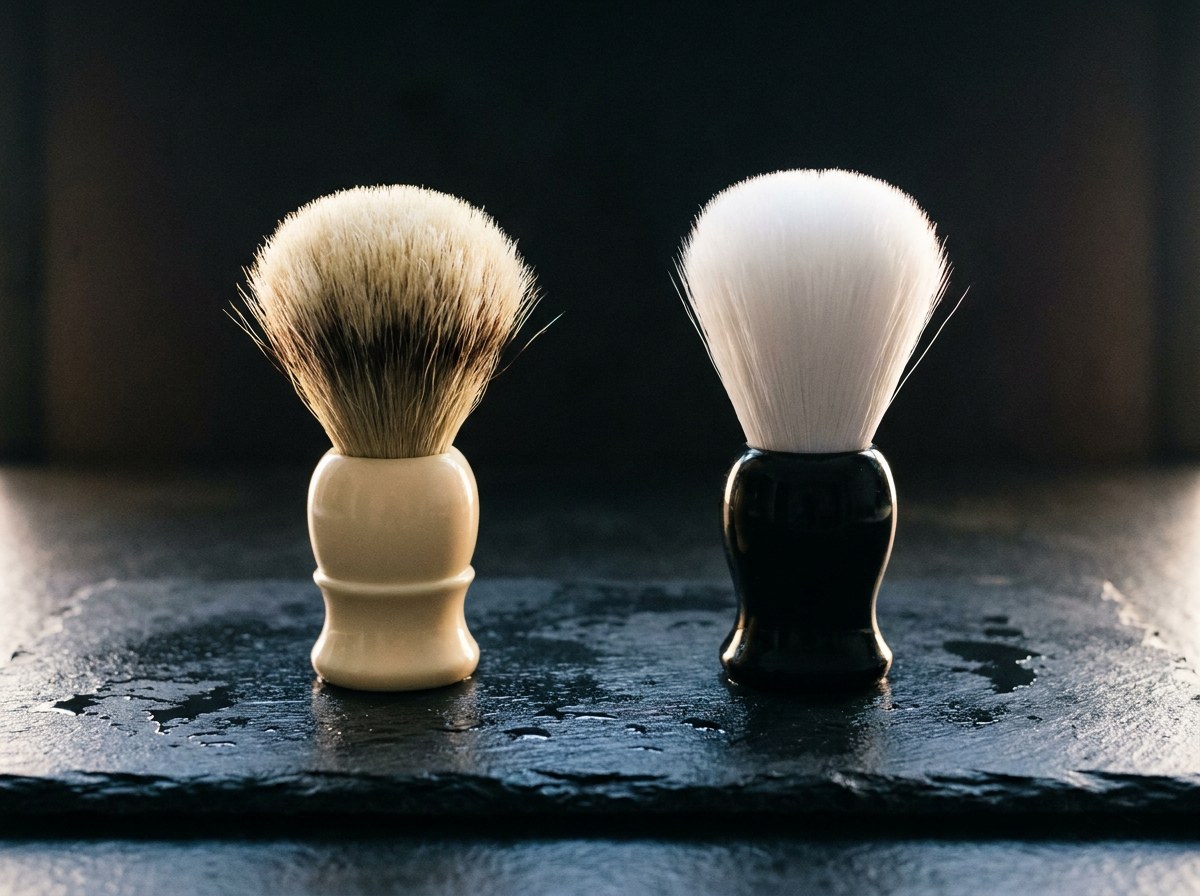
Synthetic fibers have closed most of the gap on feel over the past few years. They dry quickly (overnight, not 24 hours), require zero break-in, and have no animal sourcing concerns. The community on r/wetshaving increasingly recommends synthetics as first brushes for beginners. The only real trade-off is that some shavers feel synthetics lack the warmth and splay of a good two-band badger.
For a deeper breakdown of how the materials compare in daily use, the synthetic vs badger brush comparison covers the specifics side by side.
| Brush | Knot | Character | Best for |
|---|---|---|---|
| Omega 10098 | Boar | Stiff at first, softens over weeks | The classic cheap entry point |
| Semogue 830 | Boar | Denser, better handle | Boar done properly |
| Mühle Classic Silvertip | Silvertip badger | Soft tips, holds heat | Face-latherers who want softness |
| Goodfellas’ Smile The Deep | Synthetic, 24mm | Dries fast, no break-in, vegan | Travel, hard water, vegan setups |
Prices move, and stock does too. Each of these opens the product page on Amazon in a new tab.
Knot Size, Loft, and Backbone: What the Numbers Mean
A 24mm to 26mm knot diameter is the sweet spot the community consistently lands on for face lathering. Go below 22mm and you sacrifice coverage; go above 28mm and the brush gets floppy and harder to control on smaller areas like under the nose.
Loft is the length of the hair above the handle. Longer loft means more splay and softness; shorter loft gives you more backbone and better control for building stiff soaps. Most face latherers prefer a medium loft, roughly 50mm to 55mm.
Backbone is how much the knot pushes back against your face. It depends on both hair type and loft. Boar and some synthetics have more backbone than a high-loft silvertip. Neither is better; it comes down to whether you like a gentle, pillowy brush or one that you can feel working the lather into your stubble.
Best Budget Synthetic: AP Shave Co 24mm Synbad / Yaqi Synthetic
The wet-shaving community repeatedly names the AP Shave Co 24mm Synbad and the Yaqi 24mm synthetic as the best entry point in shave brushes. Both run around $12 to $22 depending on handle choice, which puts them in impulse-buy territory.
The Synbad knot specifically gets called out on r/wetshaving for its floppy, silvertip-like splay despite being fully synthetic. It generates lather fast, rinses completely clean with one pass under tap water, and dries in a few hours. The Yaqi version is marginally firmer and slightly better at loading hard pucks. Both are manufactured to tight tolerances at their price range.
For anyone starting out, a synthetic at this price is the lowest-risk entry point. No break-in, no ethical ambiguity, and if you decide wet shaving is not for you, you have not spent $80 finding out. The beginner’s guide to wet shaving walks through exactly how to load and work these knots from your first shave.
Best Boar Brush: Omega 10048 / Zenith Boar
The Omega 10048 has been a Badger & Blade staple recommendation for over a decade. It costs around $12 to $15, ships from Italian manufacturer Omega, and uses a pure boar knot in a yellow resin handle. The knot is set at a medium loft that rewards face lathering.
Out of the box it can feel rough. That is normal. After 20 or so shaves the bristle tips split, the knot softens considerably, and many shavers report it becomes one of their most-used brushes precisely because of the scrubby feedback. The community often describes a broken-in Omega as “addictive.”
Zenith makes a competing Italian boar that the community rates just as highly. The B26 knot in particular gets consistent praise for fast soap loading and good backbone at an equally low price. Either brand will give you what a boar brush does best: aggressive lather building and real texture on the face.
Best All-Round Badger: Maggard Razors 24mm Two-Band
The Maggard Razors 24mm Two-Band Finest is the most consistently recommended mid-range badger in the community, typically found for around $25 to $35 depending on handle. It has a 24mm knot with good splay, a noticeably soft tip section, and enough backbone to handle dense croap without collapsing.
Two-band badger hair has a distinctive look with a dark base and lighter tips. The tips are softer than pure three-band but firmer than silvertip, which makes two-band a good everyday driver rather than a pampered luxury piece. Many shavers who own more expensive brushes admit the Maggard two-band sees more daily use.
Simpson brushes occupy the same tier at slightly higher prices. The Simpson Duke 3 in Best badger is a recurring recommendation for anyone wanting a heritage British brush with a longer track record. Both brands have consistent knot quality control, which matters more than specs on paper.
Best Luxury Silvertip: Simpson Chubby 2
If you want one brush that represents everything the wet-shaving tradition built toward, the Simpson Chubby 2 in silvertip is what the community points to. It runs roughly $150 to $175, handmade in England by a company that has been producing shaving brushes since 1919.
The Chubby 2 knot is 27mm, set with a short loft that creates exceptional backbone despite the silvertip grade. It is unusually dense. The combination makes it work equally well for face lathering and bowl lathering, and the tips are among the softest in any production brush. Badger & Blade threads treating this brush as a long-term purchase rather than a discretionary buy are common.
High-end alternatives worth mentioning: Paladin brushes (US-made, 26mm “Tuxedo” synthetic knots that many rate above natural hair), and Declaration Grooming B3/B9/B15 badger knots that sell out immediately after each batch drop. If the Simpson price is a stretch, Declaration Grooming’s knots in the $85 to $100 range consistently outperform brushes twice their price in community head-to-head comparisons.
Best Shaving Brush for Beginners
Go synthetic. A synthetic brush requires no break-in, dries fast enough to use again the next morning, costs under $20 for a genuinely good option, and performs predictably from the first lather. You can focus entirely on your technique rather than wondering whether the brush is still breaking in.
The AP Shave Co Synbad or Yaqi 24mm synthetic are the two community picks at this stage. Either one will still be performing well in five years. Once you know you enjoy wet shaving and understand what you want from a brush, you will have the context to decide whether to upgrade to boar, badger, or a higher-end synthetic.
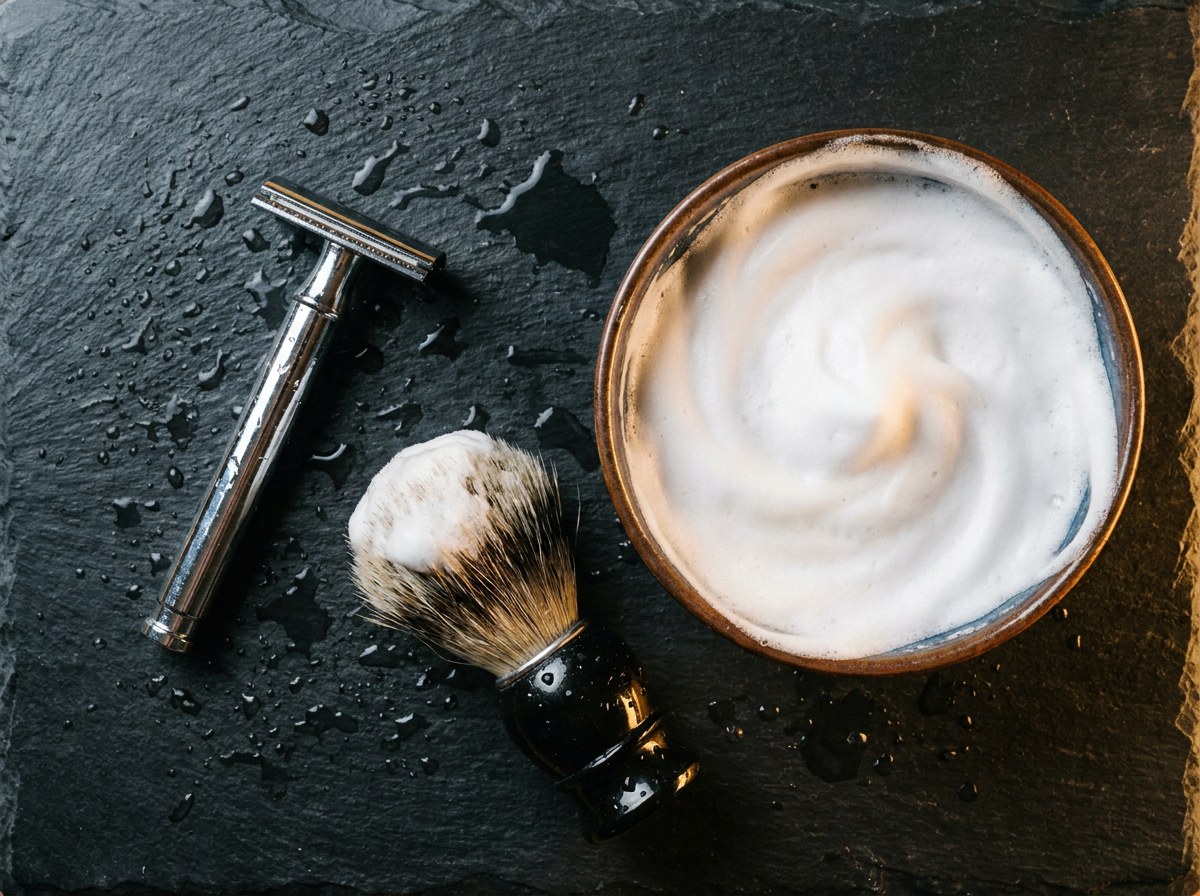
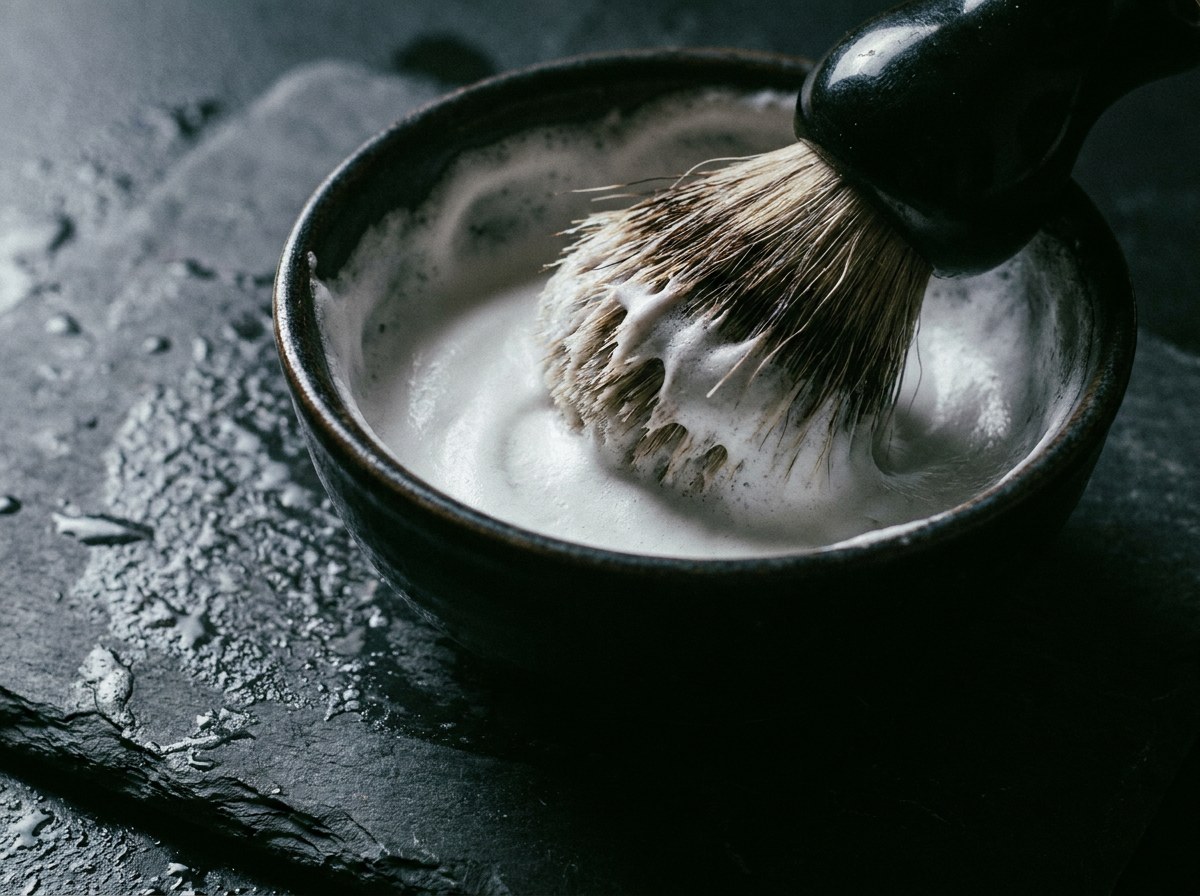
Pair any of these with a quality shaving soap and your results will be noticeably better than anything you can do with a canned foam. That is the real upgrade wet shaving offers.
Quick Comparison: Best Shaving Brushes by Category
| Brush | Type | Knot | Price Range | Best For |
|---|---|---|---|---|
| AP Shave Co Synbad | Synthetic | 24mm | $12 to $22 | Beginners, low-maintenance daily shavers |
| Yaqi 24mm Synthetic | Synthetic | 24mm | $12 to $20 | Beginners, hard-puck soap users |
| Omega 10048 | Boar | Medium loft | $12 to $15 | Shavers who want scrubby feedback after break-in |
| Zenith B26 | Boar | Medium | $12 to $18 | Fast soap loading, traditional texture |
| Maggard 24mm Two-Band | Badger | 24mm | $25 to $35 | Daily badger users, mid-range buyers |
| Simpson Duke 3 | Badger (Best) | Medium | $45 to $65 | Heritage collectors, step-up from entry badger |
| Simpson Chubby 2 | Silvertip Badger | 27mm | $150 to $175 | Long-term investment, luxury daily driver |
How to Choose Between the Picks
Match the brush to what you actually want from the experience, not to what looks most impressive on a shelf.
- You want the fastest route to good lather with no maintenance: AP Shave Co Synbad or Yaqi synthetic.
- You want the traditional scrubby feel and do not mind six weeks of break-in: Omega 10048 or Zenith boar.
- You want a daily badger that performs well without being precious about it: Maggard 24mm Two-Band.
- You want one brush you will own for 20 years: Simpson Chubby 2 silvertip.
A realistic rule of thumb from the community: start with a synthetic under $25, shave with it for three months, and then buy whatever you feel is missing. Most shavers who skip this step and buy a $150 brush first end up owning five brushes within a year anyway. The synthetic starter removes the guesswork.
Budget-conscious buyers who still want a badger experience should look seriously at the Maggard 24mm Two-Band before spending three times as much on a silvertip. The performance gap between the two is smaller than the price gap. Once you have used that knot for six months, you will know exactly what to upgrade, if anything.
All of these sit in the broader category covered on the shave brushes hub, which includes handle material comparisons and knot grade breakdowns if you want to go deeper before buying.
Last reviewed: June 2026. Prices are street ranges sourced from manufacturer and major retailer listings and will vary by vendor.
Frequently Asked Questions
What is the best shaving brush for a beginner?
A synthetic brush is the right call for most beginners. The AP Shave Co Synbad and Yaqi 24mm synthetic are the two community-consensus picks under $25. They require no break-in period, dry overnight, and perform consistently from the first use.
Is badger better than synthetic for shaving?
Not categorically. A quality silvertip like the Simpson Chubby 2 has warmth and splay that high-end synthetics approach but do not fully replicate. At the entry level, though, a $20 synthetic outperforms a $20 badger brush because cheap badger knots scratch and retain water poorly. Start synthetic, upgrade once you know what you are optimizing for.
How long does a boar shaving brush take to break in?
Roughly 15 to 30 shaves. The boar bristle tips split with use and the knot softens considerably. An Omega 10048 or Zenith boar after full break-in feels quite different from the same brush out of the box. Some shavers accelerate the process by soaking the knot in warm water for 30 minutes before the first several uses.
What knot size should I buy for face lathering?
A 24mm to 26mm knot diameter covers most faces well. Below 22mm the coverage gets narrow; above 28mm control suffers on tight areas. The 24mm size is the community default because it balances surface area with control and works with most handle proportions.
How do I clean and store a shaving brush?
Rinse thoroughly under warm water after every shave until the water runs clear. Shake out excess water with a firm downward flick, then stand the brush bristle-up or hang it bristle-down on a brush stand. Do not leave it sitting in a pool of water. Once a month, a short soak in water with a few drops of white vinegar removes mineral buildup from hard-water areas.