How to Use an Alum Block
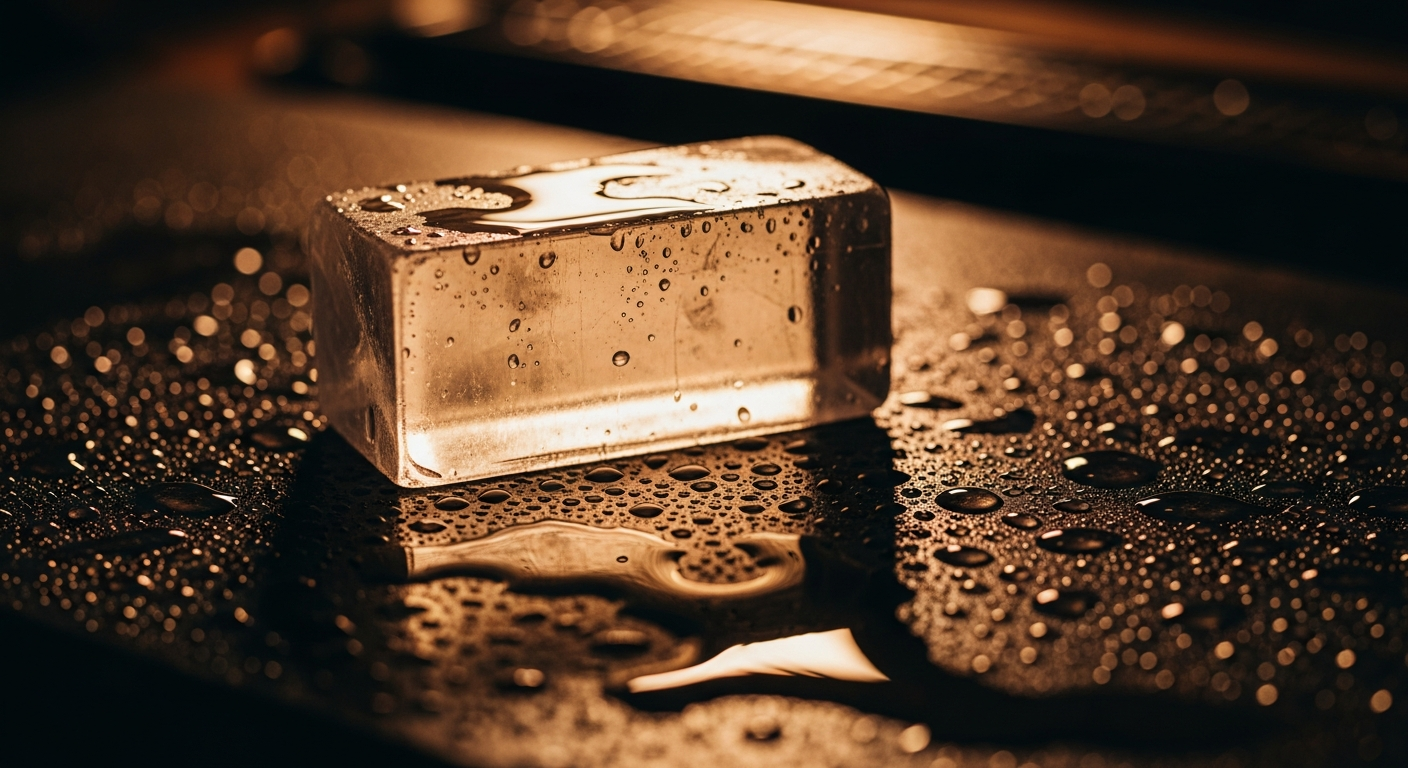
An alum block is a solid piece of potassium alum, a naturally occurring mineral salt that acts as both an astringent and a mild antiseptic. After shaving, you wet it and glide it over your face. It closes pores, stops minor bleeding from nicks, and gives you immediate feedback on where your technique needs work.
That last part is what separates it from every other post-shave product. The sting tells you something useful.
What Is an Alum Block, Exactly?
Potassium alum (KAl(SO4)2) is the active compound, the same mineral used in deodorants and food preservation for centuries. The blocks sold for wet shaving are typically around 75 to 100 grams of nearly pure potassium alum, compressed into a rectangular or ovoid shape.
It is not the same as a styptic pencil. A styptic pencil uses aluminum sulfate and is designed for targeted spot treatment on a single nick. An alum block covers the whole face and works more gently across the entire shave area. You can use both, but they serve different purposes.
Street price for a quality block runs $8 to $12 (as of 2025). Brands like Gentleman Jon and RazoRock both produce blocks with clean ingredient lists at that range, and both are widely recommended in r/wetshaving and on Badger & Blade. The Badger & Blade wiki notes that all shaving alum blocks are made from the same aluminum potassium sulfate crystals regardless of brand, so price and availability matter more than brand loyalty.
The antiseptic history runs deeper than most shavers realize. According to Badger & Blade’s alum reference, one of the first patients successfully treated with penicillin in 1941 was near death from an infected shaving cut. Alum’s role as a post-shave antiseptic predates antibiotics by centuries, which explains why it remains a staple of traditional wet shaving.
How to Use an Alum Block After Shaving
- Rinse your face with cold water. Cold water helps close the pores before you apply anything. Pat lightly, but leave the skin damp, not dry.
- Wet the alum block. Run it under cold water for a few seconds. You want the surface moist so it glides, not drags. Dragging a dry block feels rough and skips over the skin unevenly.
- Glide the block over your entire shave area. Use light pressure. Cover the cheeks, jaw, neck, and upper lip. The block deposits a thin layer of potassium alum solution on the skin as it passes.
- Leave it on for 60 to 90 seconds. Some shavers go up to two minutes. During this time you will feel a tightening sensation, and on areas where the razor irritated the skin, a noticeable sting.
- Rinse off with cold water. Some wet shavers skip the rinse and let the residue dry on the skin, claiming it extends the antiseptic effect. Both approaches are common in the community. If you have sensitive skin, rinse it off.
- Follow with your aftershave. The alum does not replace aftershave. Once you rinse, apply your balm or splash as normal. For the best options at different price points, see this best aftershave guide, or browse the full aftershave hub for category breakdowns.
The Sting Is a Diagnostic Tool
This is where the alum block earns its reputation among serious wet shavers. The amount of sting you feel maps almost directly to shave quality.
A good shave on properly prepared skin with a sharp blade at the right angle produces very little sting. Strong burning across the neck usually means too much pressure. A burn concentrated on the upper lip often points to the blade angle being off. Patchy sting down one side of the jaw suggests an inconsistent stroke.
The community on r/wetshaving refers to this routinely. Veteran shavers recommend the alum block specifically during the learning period because it provides honest, real-time feedback that no other product gives you. If you are still dialing in your technique and want to reduce the irritation that causes that sting in the first place, the guide on how to prevent razor burn covers blade angle, prep, and pressure in detail.
Think of it as a scoring system you run after every shave. Over several weeks, the sting should diminish as your technique improves.
Who Should Use an Alum Block (and Who Should Be Careful)
Oily and normal skin types benefit the most. The astringent action tightens pores, which reduces the likelihood of post-shave breakouts and helps the skin look clean and smooth immediately after shaving.
Dry skin types can use it, but sparingly. The potassium alum is mildly drying, and if your skin already tends to feel tight after shaving, leaving the block on for a full two minutes may cause flaking or discomfort. Keep the contact time to 30 to 60 seconds and always follow with a moisturizing aftershave balm.
Sensitive skin falls somewhere in the middle. A short contact time (30 to 45 seconds) and a cold water rinse immediately after tends to give the antiseptic benefit without the prolonged drying effect. If you notice persistent redness or a burning sensation that lasts beyond a few minutes, shorten the contact time further or skip the block on especially reactive days.
If you have active cuts or open nicks, expect more sting in those spots. That is normal. The antiseptic action is working as intended.
How to Store Your Alum Block So It Lasts for Years
This is where most beginners go wrong. Potassium alum dissolves in water. A block left sitting in a puddle of water on the edge of your sink will shrink visibly within weeks.
After each use, shake off the excess water and set the block on a dry surface or in an open dish where air can circulate. Some shavers use a small soap dish with drainage slats. The goal is full air drying between uses.
A properly stored block lasts years. A 100-gram block used daily by a single shaver can realistically last 18 months to three years, depending on face coverage and how thoroughly it dries between sessions. The cost per shave works out to a few cents at most.
Avoid enclosed travel containers that trap moisture. If you travel with an alum block, wrap it loosely in a dry cloth or tuck it into a mesh bag. A wet block sealed in a plastic case for 48 hours is noticeably smaller when you open it.
Alum Block vs. Styptic Pencil: Which One Do You Need?
You likely need both, and they cost almost nothing together. They serve different functions and are not interchangeable.
| Feature | Alum Block | Styptic Pencil |
|---|---|---|
| Active compound | Potassium alum (KAl(SO4)2) | Aluminum sulfate |
| Application area | Whole face, every shave | Spot treatment on a single nick |
| When to use | End of every shave as routine | Immediately on a bleeding cut |
| Sting level | Mild to moderate, maps to shave quality | Sharp and immediate on the cut site |
| Longevity | 18 months to 3 years (100g block) | Years (very small amount used per nick) |
| Price range | $8 to $12 | $4 to $8 |
The alum block is a post-shave ritual tool, applied to the whole face after every shave whether you cut yourself or not. The styptic pencil is an emergency tool, pressed directly onto a specific nick to stop bleeding fast. If you nick yourself, dab the pencil on that spot immediately, then follow with the alum block at the end.
Many shavers drop the styptic entirely once their technique improves, since cuts become rare. The alum block stays in the routine regardless.
Frequently Asked Questions
Can you use an alum block every day?
Yes, and most wet shavers do. The potassium alum concentration deposited on skin per use is low enough that daily application causes no problems for normal to oily skin. If your skin is noticeably dry, every other day or a shorter contact time is a practical adjustment.
Do you rinse off the alum block after use?
Either approach is accepted in the wet-shaving community. Rinsing is recommended for sensitive or dry skin. Leaving it on is more common among shavers who prefer a longer astringent effect and tolerate it well. Try both and see which your skin handles better.
Why does the alum block sting on some days and not others?
The sting intensity tracks directly with skin irritation from the shave. A fresh blade, proper prep, and light consistent pressure produce very little sting. Heavy pressure or a blade past its useful life brings it back. The block is telling you something specific.
Is an alum block the same as deodorant alum?
Chemically they are both potassium alum, but shaving blocks are cut and shaped for face use, usually without additives. Many crystal deodorant sticks are also pure potassium alum and would technically work. At $8 to $12, there is no reason to repurpose a deodorant crystal.