Clubman Pinaud: Alcohol Burn, Scent, and Why It Persists
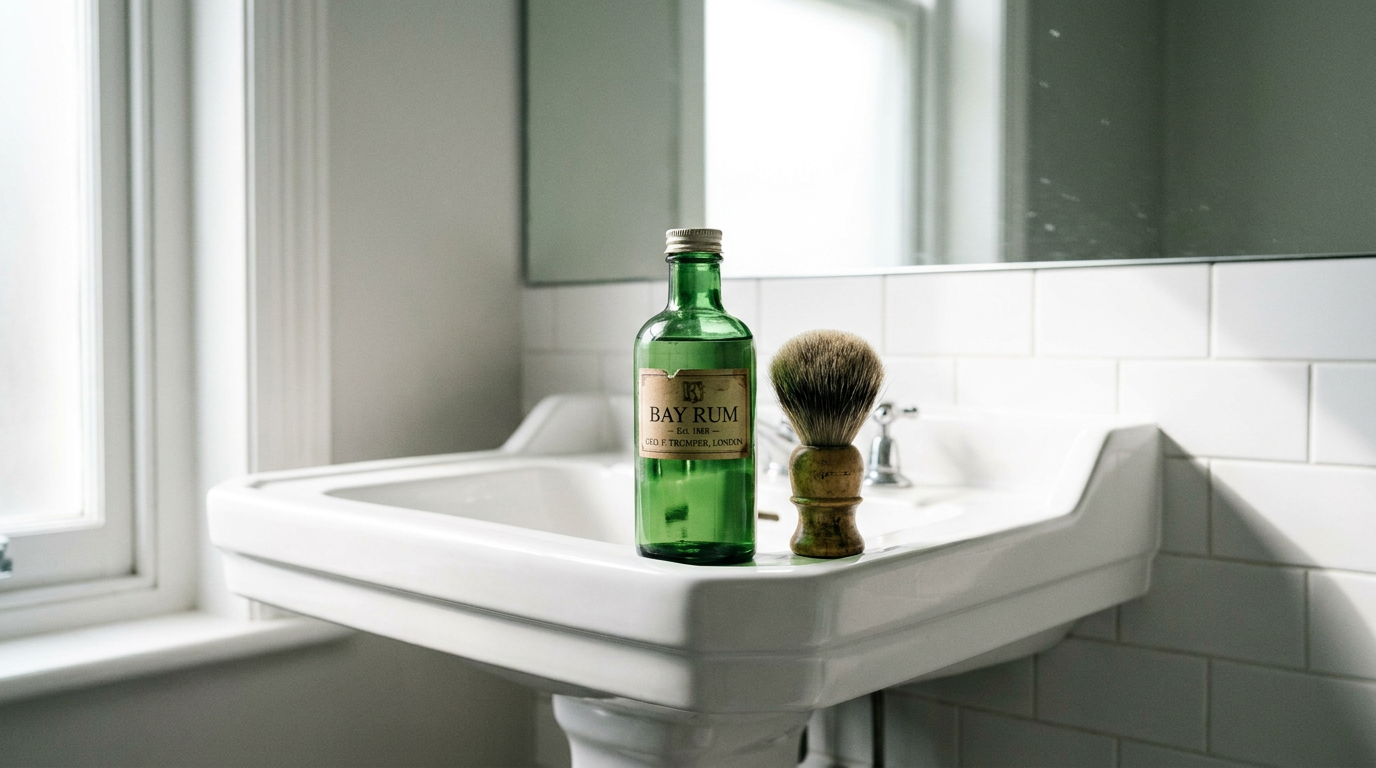
Clubman Pinaud costs less than a lunch at street price and has outlived every shaving fashion cycle since the nineteenth century. It persists because it does two jobs: it disinfects a fresh shave with alcohol, and it leaves a barbershop-powder scent most people read as clean rather than perfumed. The same alcohol is why half the people who try it never buy it again.
The burn is the product
There is no version of classic Clubman without the sting. The alcohol level is high by design, from an era when aftershave was an antiseptic first. On skin shaved with the grain, it is a short slap that fades in under a minute. On weepers and against-the-grain passes it hurts, and no technique fixes that beyond shaving better next time.
Dry winter skin is the named failure case. Alcohol strips moisture at the exact moment your face needs it, so Clubman Pinaud on dehydrated or freshly irritated skin delays comfort instead of speeding it. Use a balm on those days and keep the splash for clean shaves; the tradeoffs are laid out in our aftershave balm vs splash comparison.
What it smells like
Barbershop powder, violet, a little citrus at the opening. It reads unmistakably old-school, and it fades within a few hours, which is part of why offices tolerate it. People who want all-day projection call it weak. That framing misses the category: a splash is a finish, not a cologne.
Why it survives
Price and ritual. A single bottle lasts a year of daily use, and for generations of men the scent is simply the smell of a haircut. It still holds a budget slot in our best aftershave roundup for clean shaves. If the sting bothers you but you want the ritual, an alum block gives mild astringency without the alcohol hit.