Tallow vs Vegetable Based Shaving Soap: Which Lathers Better
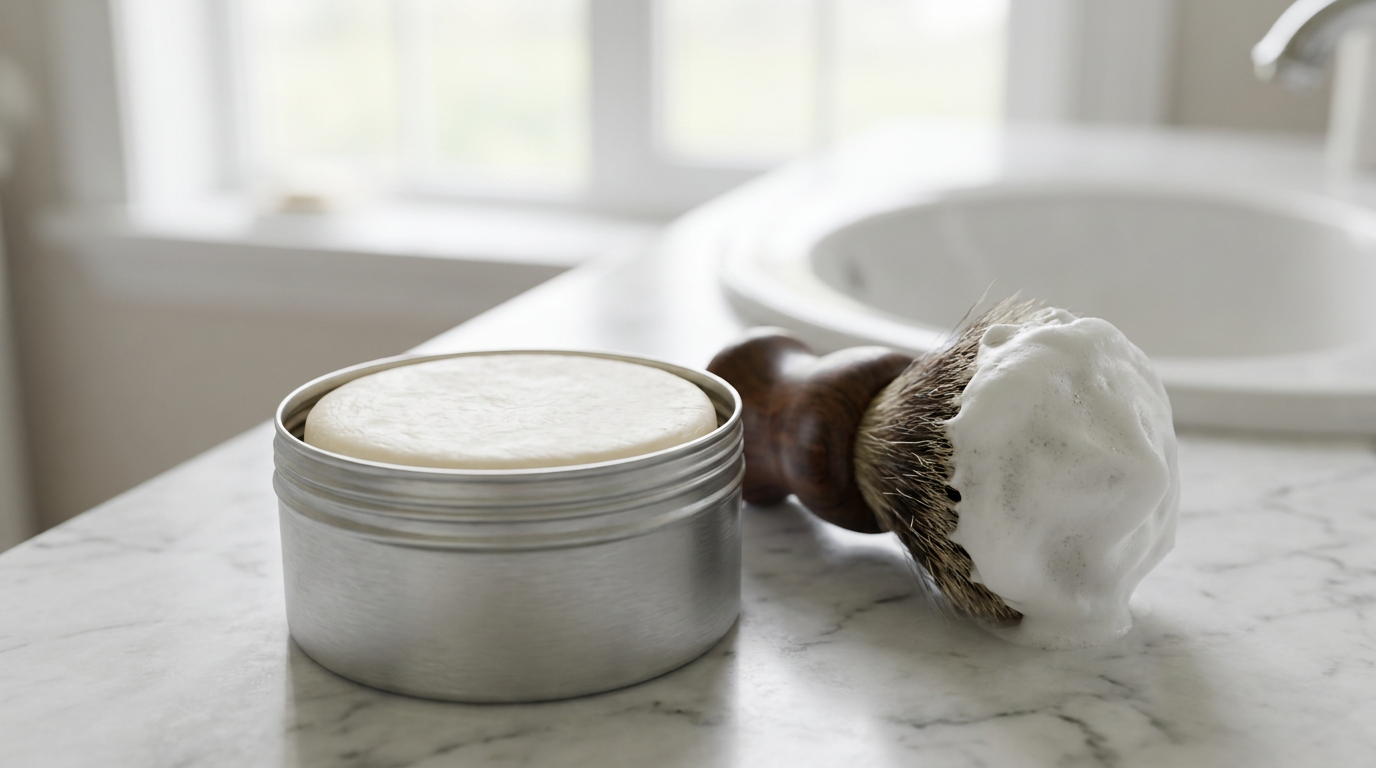
Tallow builds a denser, more cushioning lather with less effort. Modern vegetable based soaps have closed the gap on slickness and often beat tallow on how your skin feels an hour later. Neither base is better across the board, and the real difference shows up in how forgiving each one is when you get the water wrong.
Shavory earns a commission on qualifying purchases through the Amazon links on this page, at no extra cost to you. Picks are chosen on performance and value, not on commission.
What tallow contributes to the lather
Rendered beef tallow brings stearic and palmitic acid, which produce a thick, low-bubble foam that holds water and sits on the face without collapsing between passes. That density is why so many beginner recommendations still lean tallow.
It also tolerates mistakes. Load too little water and a tallow puck still gives you something shaveable. Hard water, a cold bathroom, a half-dry brush, it keeps producing.
| Product | Base | Character |
|---|---|---|
| Cella Milano | Tallow | Very slick, forgiving, classic almond |
| Van Der Hagen | Tallow | Cheap, fragrance-free option, widely stocked |
| Taylor of Old Bond Street | Vegetable cream | Light, easy to lather, strong scent range |
Where vegetable bases win
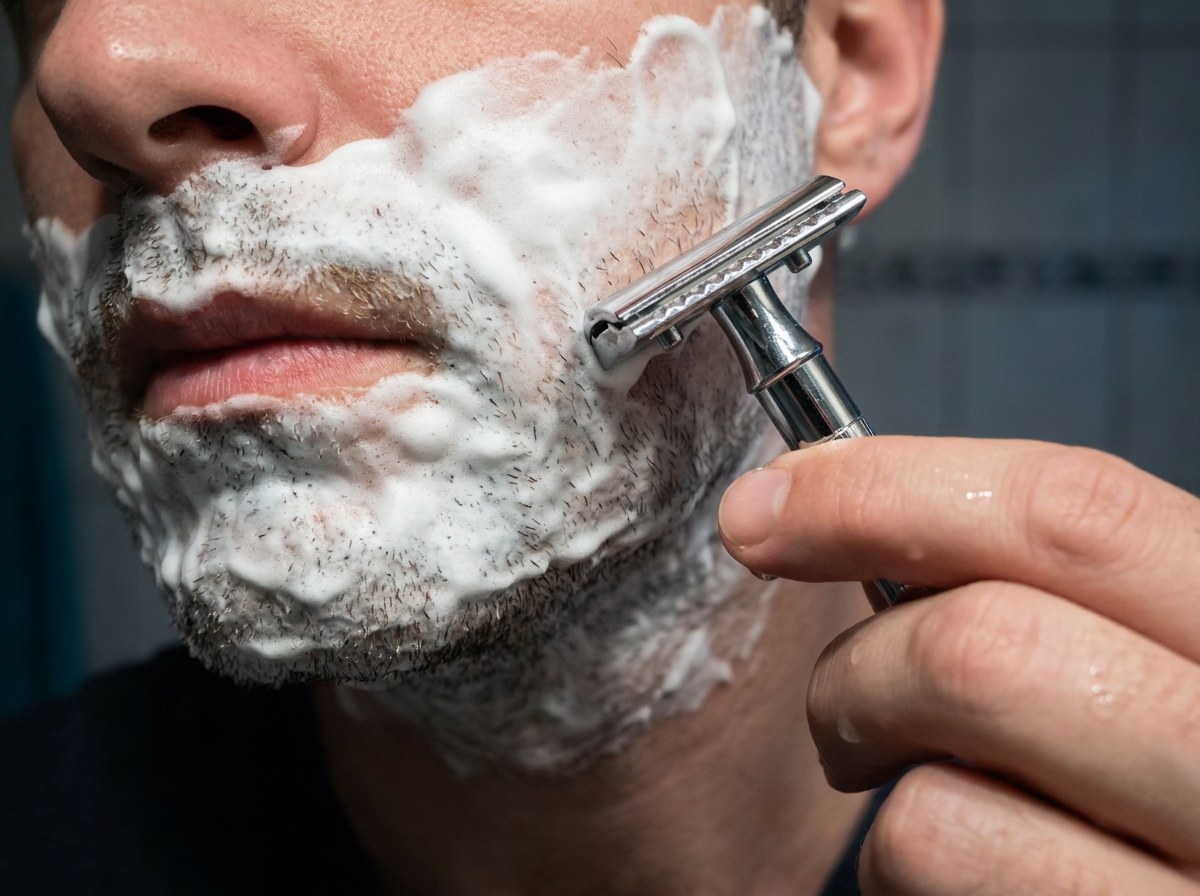
Shea butter, coconut, kokum, and castor oil cover the same fatty acid roles, and most modern vegan formulas carry more glycerin and humectants than the classic tallow recipes ever did. The result tends to be slicker under the blade and leaves skin softer afterward.
The tradeoff is precision. Plenty of vegan pucks want one specific water ratio and go soupy the moment you overshoot it. Once you find that ratio they perform at the top of the category. Start with the brands in best vegan shaving soap brands rather than whatever is cheapest on the shelf.
Density and slickness are not the same thing
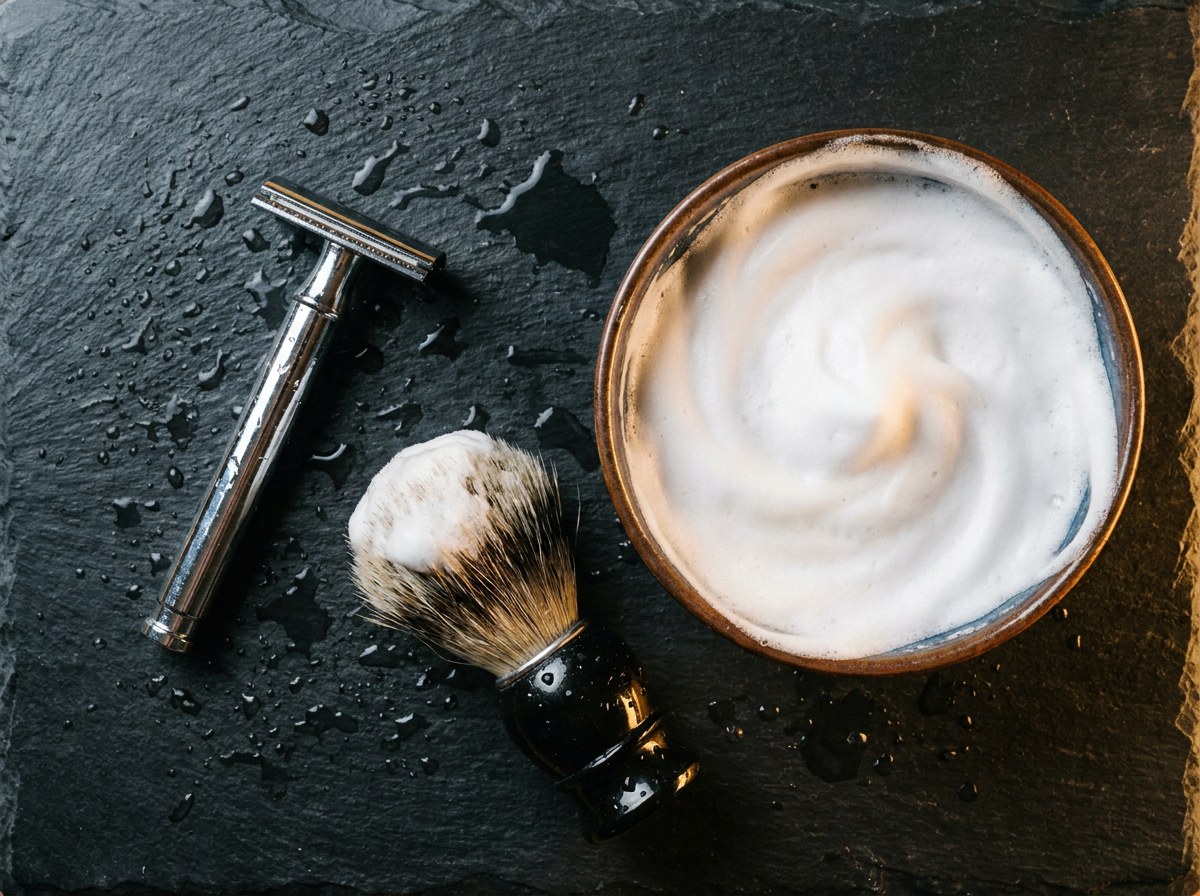
Shoppers conflate these two constantly. Density is cushion: how much buffer sits between edge and skin. Slickness is glide: how little resistance the blade meets as it travels.
Tallow usually wins density. Premium vegetable formulas usually win slickness. Aggressive razors and three-pass shaving benefit more from cushion, which is where a tallow puck earns its place in the rotation. If your lather collapses in either base, the fix is almost always technique, and how to build the perfect lather covers the loading part.
Which one fits your skin
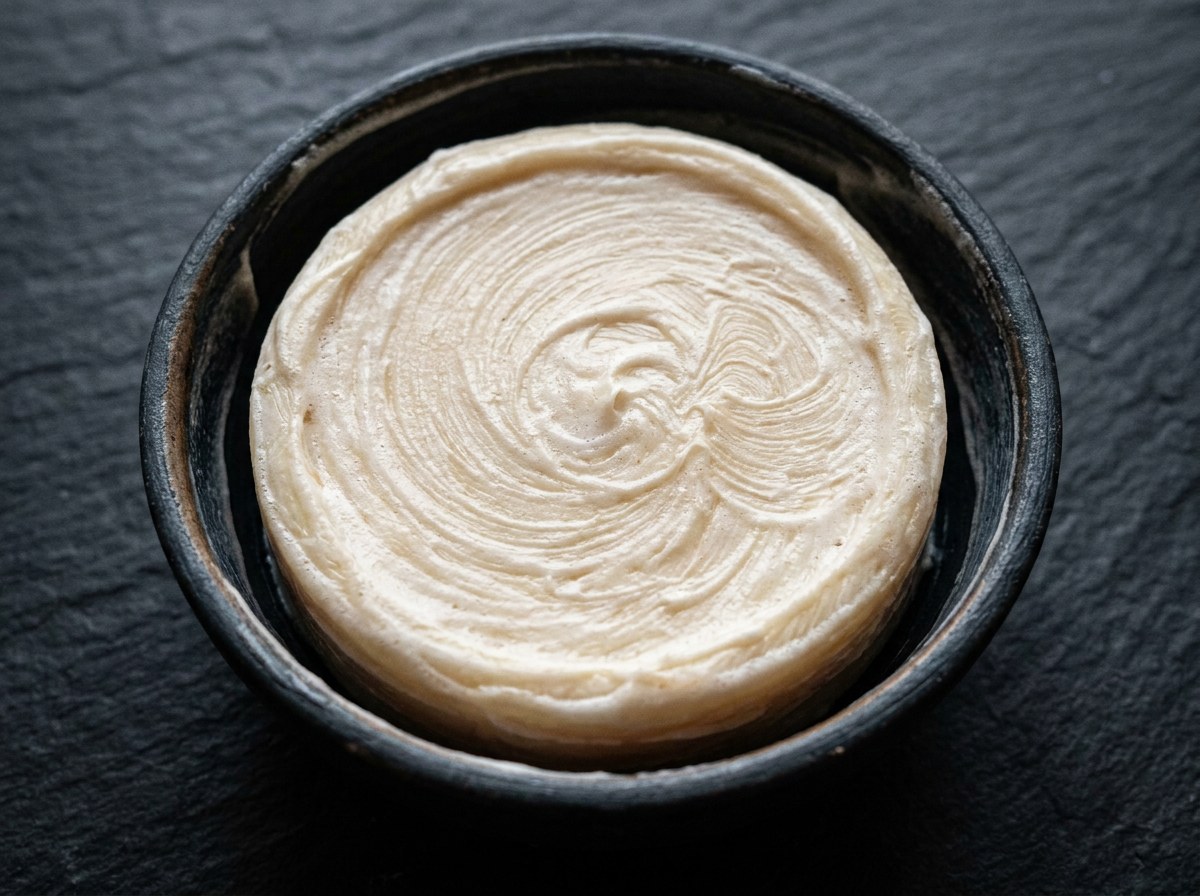
Reactive skin often does better on a vegetable base carrying more humectants, though tallow itself is not an irritant. Fragrance load and menthol cause far more trouble than the fat does. The picks in best shaving soap for sensitive skin span both bases for that reason.
Dietary or ethical objections settle the question outright. Tallow is animal fat, and no vegetable version of it exists.
Buying between the two
- New to wet shaving and want easy lather: tallow
- Hard water or an unheated bathroom: tallow
- Chasing post-shave skin feel: a premium vegetable base
- Vegan requirement: vegetable base, with no real performance sacrifice at the top end
Street prices overlap heavily, so cost is rarely the deciding factor. Buy one puck of each, use both for a month, and your face will tell you which trait you actually care about.