Shaving Soap vs Shaving Cream: Which One Should You Buy
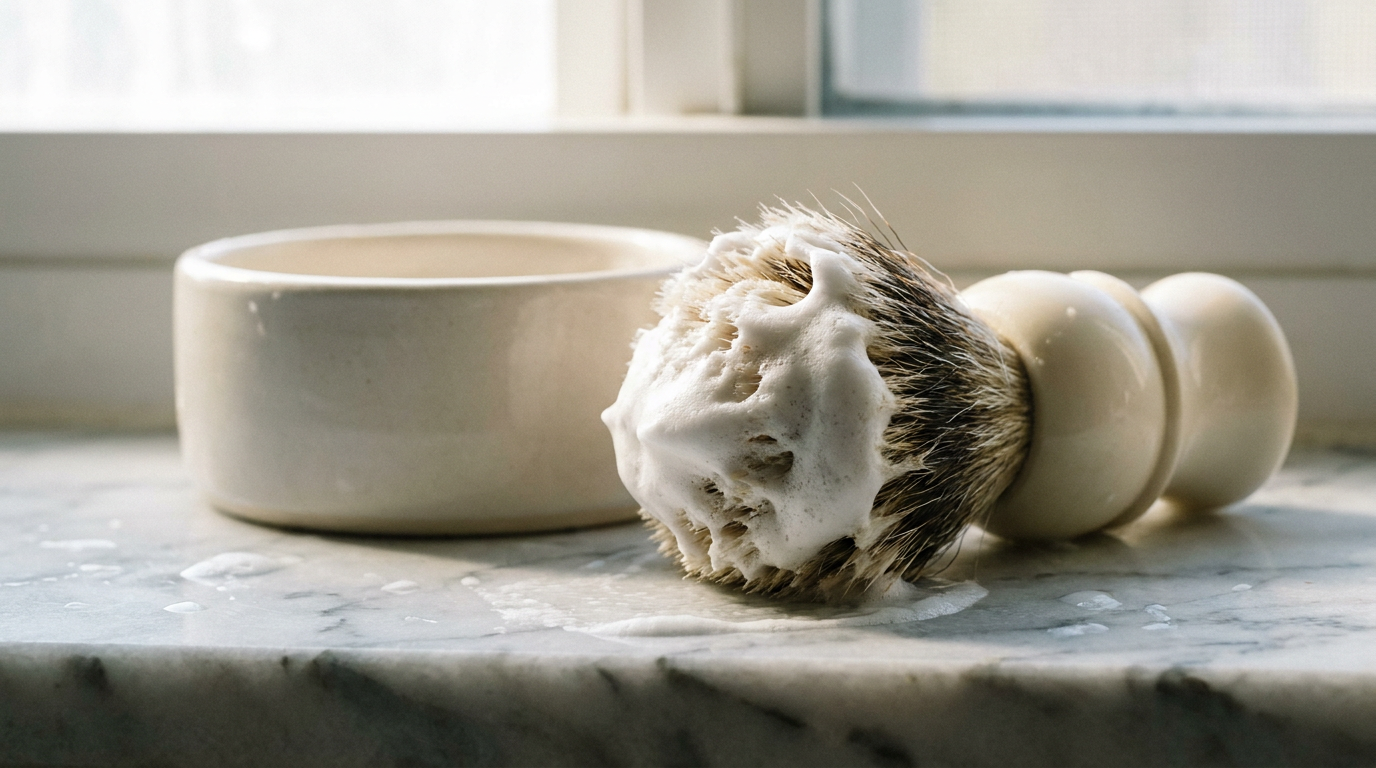
Buy shaving soap if you want lather control, a puck that lasts months, and a wide scent range. Buy shaving cream if you want a fast, forgiving lather with minimal brush work. Both give you a cushioned shave, and the real difference is how much effort sits between the tub and your face.
Neither is the gel from a pressurised can. That is a third category, and it is the one wet shavers leave behind.
Shavory earns a commission on qualifying purchases through the Amazon links on this page, at no extra cost to you. Picks are chosen on performance and value, not on commission.
What Separates Them
Shaving soap is a hard or soft puck made by saponifying fats with lye. It sits dry in the tub, needs loading with a wet brush, and builds slowly into a dense lather.
Shaving cream is a soft, aerated paste closer to the consistency of yogurt. You scoop an almond-sized amount and it whips up in a fraction of the time.
Water content is the whole story. Cream arrives partly hydrated, soap does not.
| Product | Type | Loading | Best for |
|---|---|---|---|
| Taylor of Old Bond Street Sandalwood | Cream | Seconds | Beginners and anyone who wants lather to just work |
| Cella Milano | Soft soap / croap | About 30 seconds | Classic almond scent, excellent value, forgiving |
Lather Quality and Control
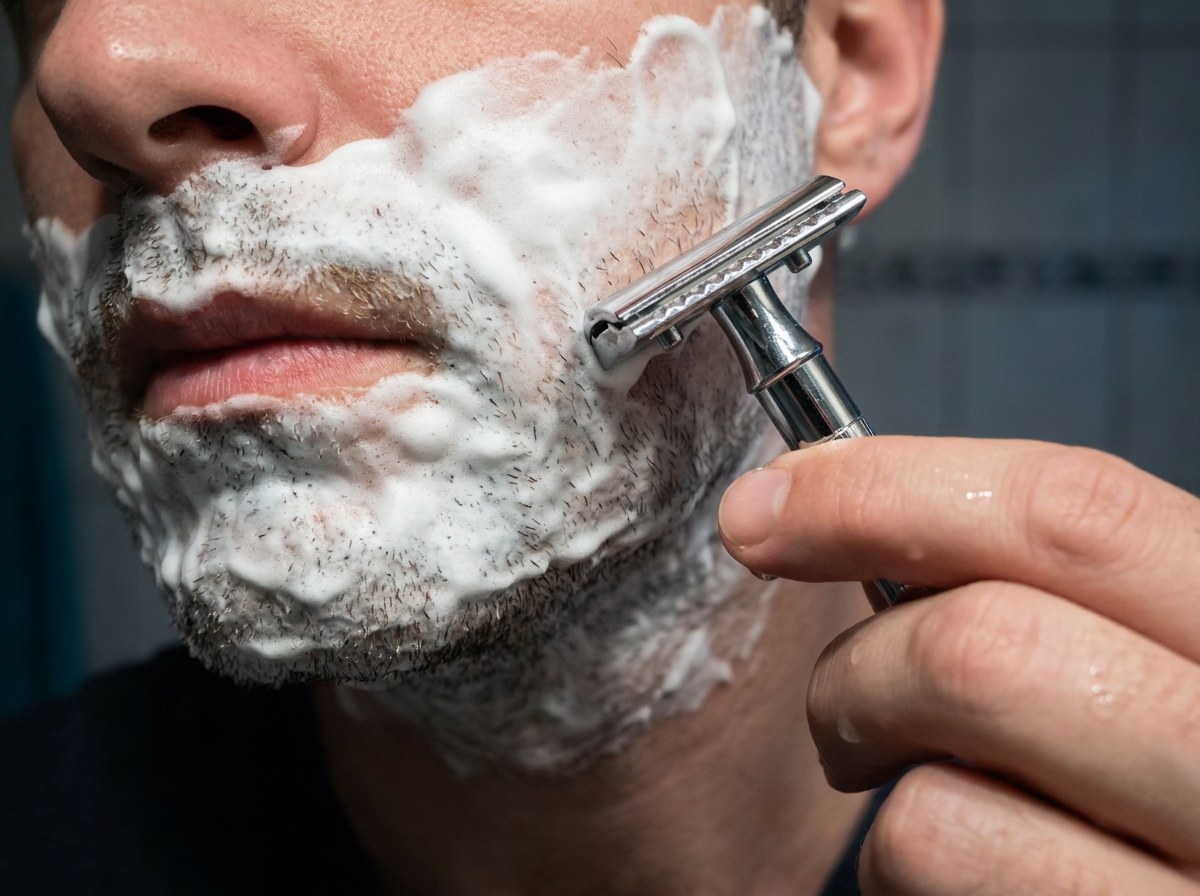
Soap rewards technique. Load for thirty seconds, add water in small amounts, and you get a lather you can tune from airy to paste-thick depending on the pass. That control matters most going against the grain.
Cream reaches a decent lather almost immediately but tops out sooner, and it over-hydrates faster, so one extra splash can collapse it. The method is the same either way, and the sequence is laid out in the guide to building the perfect lather.
Cost Per Shave
Soap wins on longevity. A standard puck covers several months of daily shaves because you use so little per load, and street prices sit in the same range as a comparable tub of cream.
Cream burns through faster since you scoop rather than swirl. If cost per shave decides it for you, soap is the cheaper habit over a year.
Skin and Brush Considerations
Tallow-based soaps tend to give the slickest cushion, while glycerin-heavy creams feel milder on reactive skin. If you sting or break out after a shave, the ingredient list matters more than the format, and the picks in shaving soap for sensitive skin narrow that down.
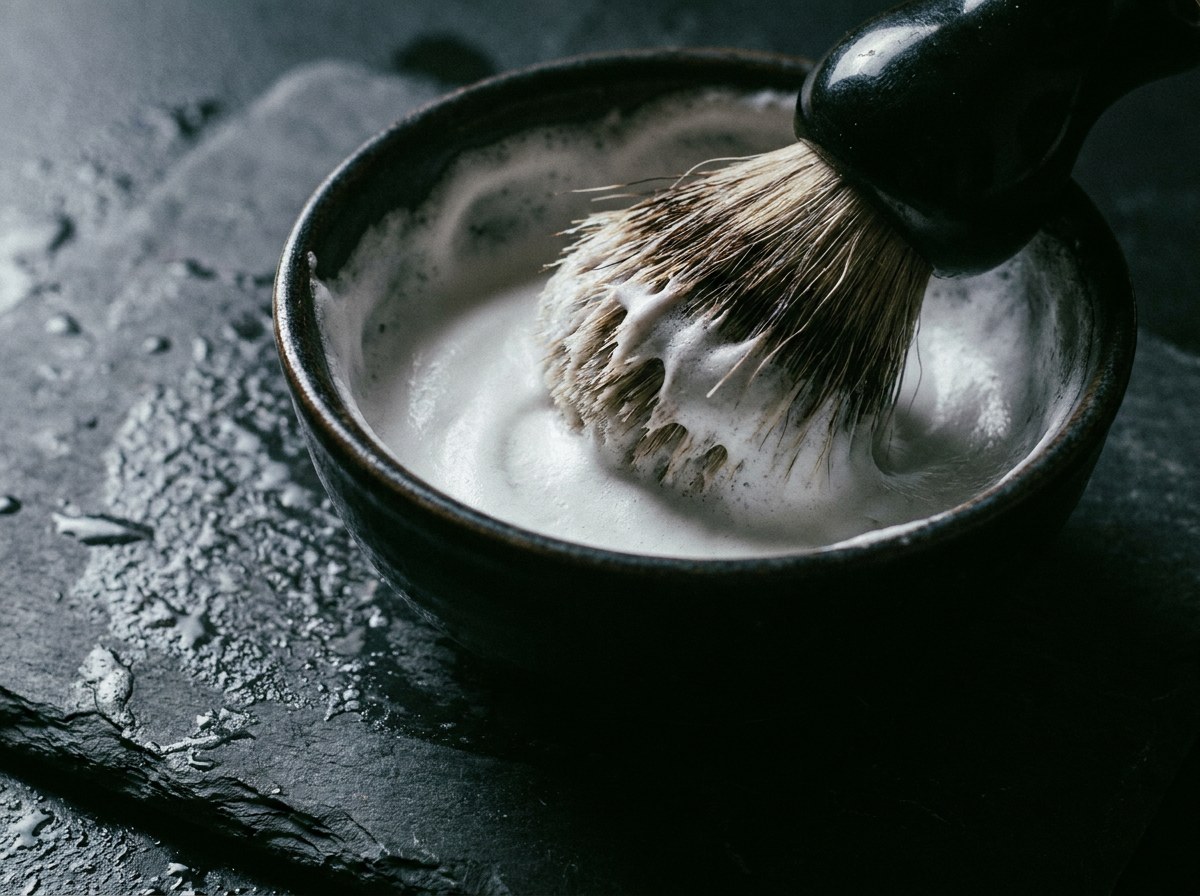
Brush choice tracks with format too. Dense badger and synthetic knots load hard soap well, while boar handles cream fine without much break-in, and those trade-offs sit in the roundup of shave brushes.
Which One Fits You
Start with cream if your mornings are rushed, or if you are three weeks into wet shaving and still fighting the lather. Move to soap once the technique is automatic and you want scent variety plus a lower running cost.
Plenty of shavers keep both: cream on weekdays, soap on the unhurried weekend shave.