Straight Razor Blades: Replaceable-Blade Shavettes vs Honing
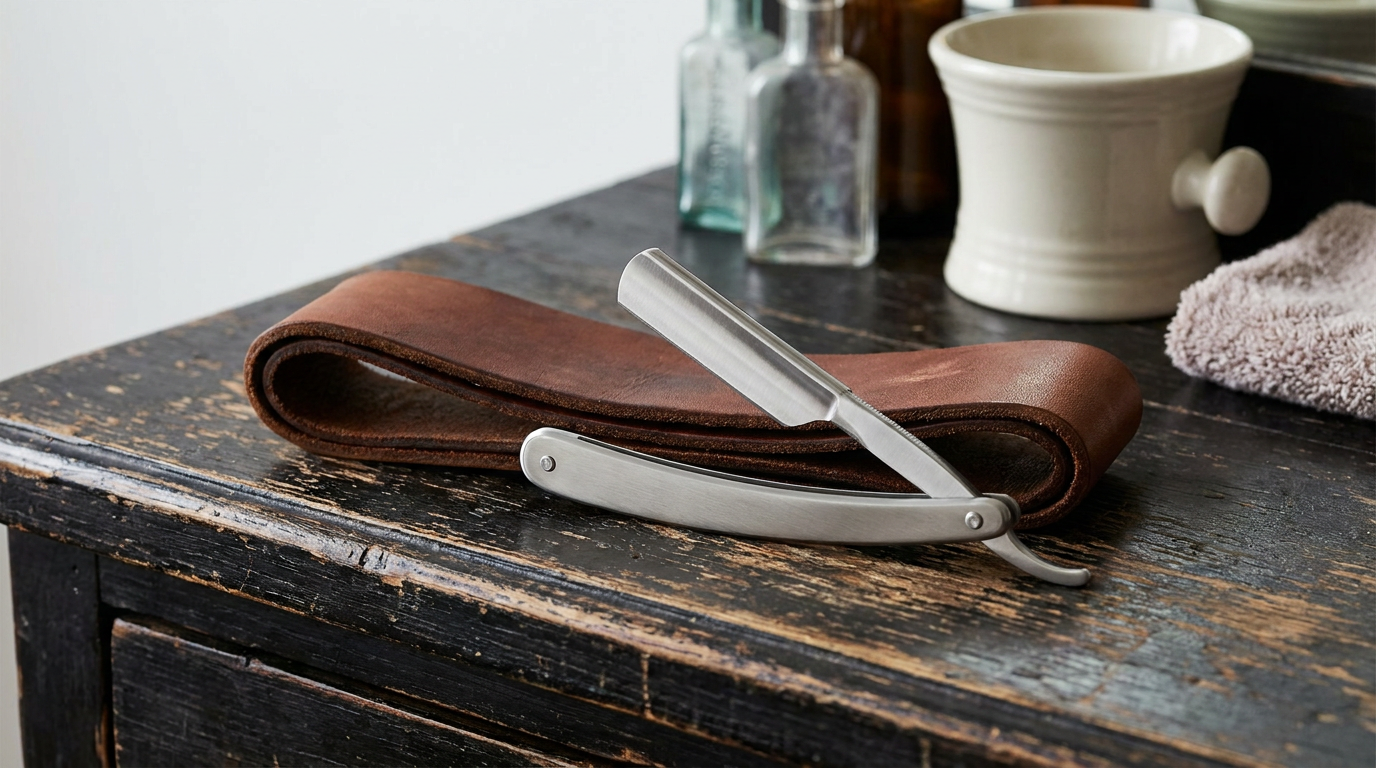
A replaceable-blade shavette is the better first straight razor for most people. The edge is factory sharp every time, blades cost cents, and the only upkeep is rinsing. A traditional straight you hone yourself is the deeper hobby and the cheaper edge per decade, but it demands a strop, stones, and months of practice before shaves stop being an ordeal.
Shavory earns a commission on qualifying purchases through the Amazon links on this page, at no extra cost to you. Picks are chosen on performance and value, not on commission.
What a shavette changes
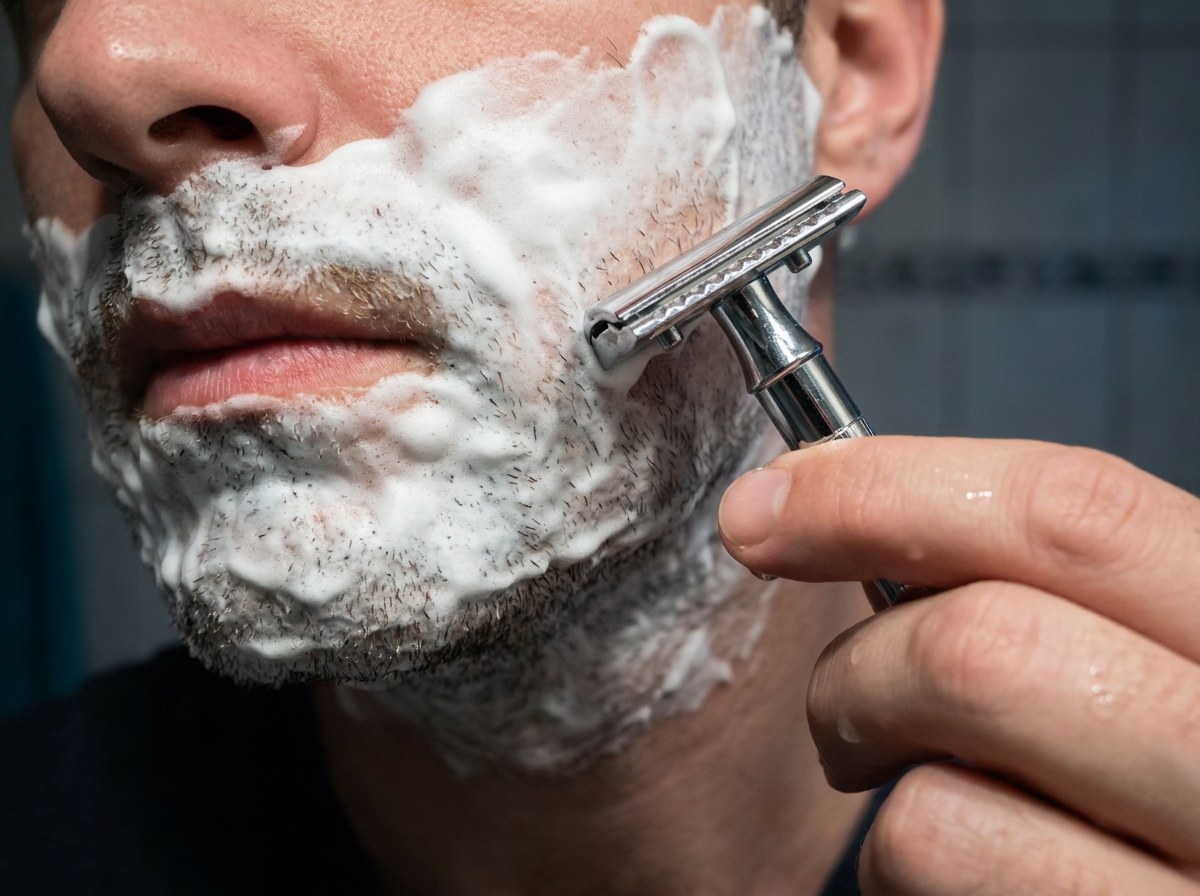
Most shavettes take half of a standard double edge blade snapped inside its wrapper, so a year of shaves costs less than one good strop. The trade is feel. A shavette is light, rigid, and unforgiving of angle errors, with none of the feedback a ground steel blade gives your hand. The Feather Artist Club format fixes part of that with thicker injector-style blades, and the sharpness warnings in our Feather blades review apply double here.
| Tool | Maintenance | Best for |
|---|---|---|
| Feather Artist Club Folding Handle | Swap the blade | Learning straight-razor technique without honing |
| Feather blades | Disposable | Also the sharpest DE option if you run a safety razor |
What honing actually requires
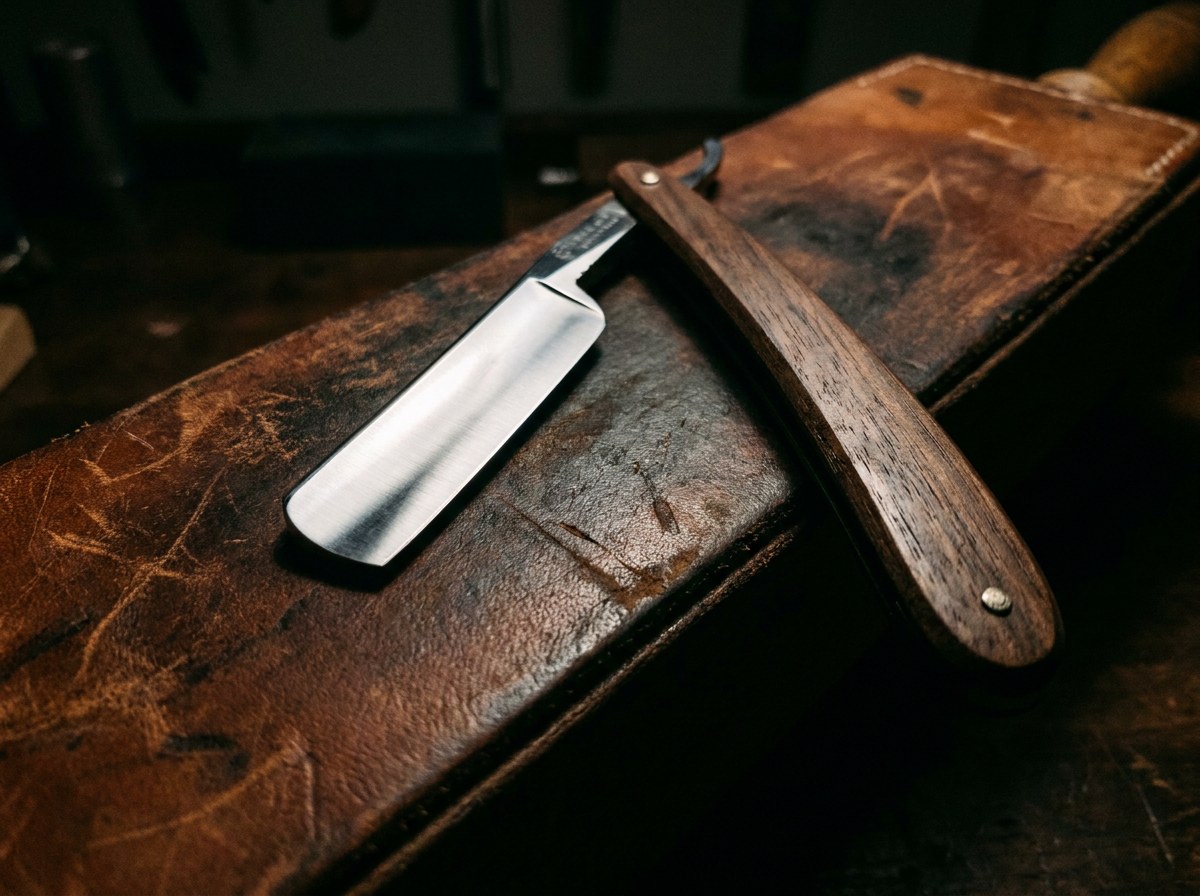
A traditional straight arrives shave-ready from some sellers and merely polished from others, so the first surprise is often a blade that tugs. From there the routine is fixed: strop before every shave, refresh on chromium oxide paste every few weeks, and re-hone on whetstones when the edge dies. Geometry changes the shave too, and the differences between grinds and sizes are laid out in our Dovo straight razor guide. Sending blades to a honing service works, but shipping both ways usually costs more than the sharpening itself.
Who each one suits
Shavettes suit barbers, travelers, and anyone who wants straight razor technique without the upkeep. They also teach brutally. Angle discipline matters more than with any safety razor, which is the honest framing in our piece on the straight razor learning curve. A traditional straight suits the person who enjoys maintenance as part of the ritual. If stropping sounds like a chore rather than a pleasure, that answers the question.
The failure modes differ too. A shavette blade gets tossed at the first hint of tug, so dullness never ruins a shave. A straight dulls gradually, and learning to feel that transition on your own face is where most beginners nick themselves.