Is Wet Shaving Worth It?
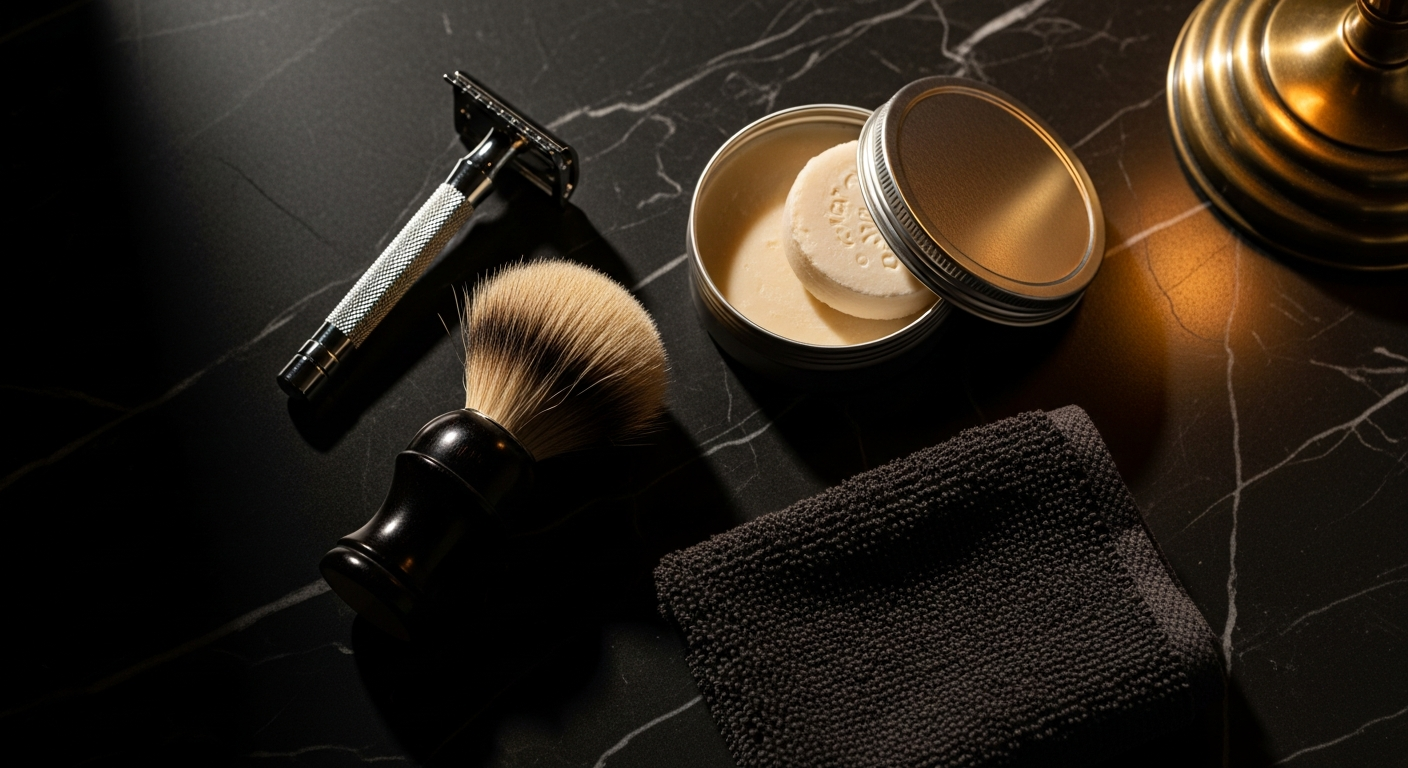
For most people who stick with it past the first two weeks, wet shaving is absolutely worth it. You spend less per shave over time, get noticeably better skin results, and end up with a morning routine you actually look forward to rather than dread.
The trade-offs are real though: there is an upfront cost, a learning curve that can produce some nicks early on, and a gear hobby that has a reputation for consuming wallets. Whether those trade-offs matter depends entirely on who you are and what you want from a shave.
The Cost Math: What You Actually Save
Cartridge razors are expensive by design. Replacement cartridges run $2 to $4 each, and most people change them every one to two weeks. That puts the annual cartridge spend somewhere between $50 and $200 before you count the handle, shave gel, and aftershave.
Double-edge blades cost between $0.10 and $0.25 each. A single blade lasts most people three to five shaves. At $0.20 per blade and four shaves per blade, you are spending about $0.05 per shave on the blade alone.
| Item | Cartridge System | DE Wet Shaving |
|---|---|---|
| Blade/cartridge cost per shave | $0.50 to $1.00 | $0.05 to $0.08 |
| Soap/cream per year | $20 to $40 (gel/foam) | $20 to $40 (one puck lasts months) |
| Startup cost | $15 to $30 (handle only) | $60 to $100 (razor, brush, soap) |
| Annual ongoing cost | $80 to $200 | $20 to $50 |
At a modest $120 per year on cartridges versus $35 per year on DE blades and soap, you break even on a $90 starter kit inside eight months. After that, you are saving money every year, indefinitely.
The r/wetshaving community tracks this obsessively. The consensus there is that a solid starter setup pays for itself within the first year for anyone shaving three or more times per week. The safety razor vs cartridge cost comparison goes even further in detail if you want the numbers broken down by brand.
Skin Results: Why the Irritation Actually Improves
Multi-blade cartridges cut the hair below the skin surface on the first pass, then subsequent blades do it again. This repeated sub-surface cutting is the root cause of razor bumps and ingrown hairs, particularly for men with curly or coarse hair.
A single double-edge blade cuts once, at the skin surface, with the angle and pressure you control. Combine that with proper prep (warm water, quality soap, a brush to lift the hair) and the mechanical cause of irritation mostly disappears once your technique is dialed.
The Badger & Blade and Sharpologist communities are full of accounts from people who switched specifically because of chronic razor burn, and the pattern is consistent: two to four weeks of learning, then noticeably cleaner skin. This is not a universal cure for everyone, but the improvement rate among people who learn proper technique is high enough that skin quality is one of the strongest arguments for switching.
The Environmental Case
A standard cartridge razor head is a composite of plastic, metal, and rubber strips that cannot be separated for recycling. Most go straight to landfill. Americans throw away roughly 2 billion disposable razors and cartridges per year according to EPA estimates.
A double-edge blade is a single piece of recyclable steel. Many wet shavers collect used blades in a blade bank and recycle them. The razor handle itself is typically stainless steel or brass and lasts decades. The soap comes in puck form, often in a cardboard box, with no aerosol can involved.
The environmental upside is not the primary reason most people switch, but it is a genuine benefit that does not require any extra effort once you are in the routine.
The Ritual Factor
This is harder to quantify but shows up in every long-term wet shaver’s explanation for sticking with it. Cartridge shaving takes 90 seconds and feels like a chore. Wet shaving with a brush, a good soap, and a quality razor takes five to eight minutes and feels like a deliberate act of self-care.
Lathering up a soap like Stirling with a synthetic brush is a tactile experience that is genuinely different from squirting gel onto your face. The scent, the warmth of the lather, the weight of a metal razor handle, the small physical ritual of building the lather: these details add up to something that turns a daily annoyance into something closer to a small luxury.
The r/wetshaving community regularly posts about this, and Sharpologist editor Mark Herro has written about how the ritual aspect is one of the most underestimated benefits for long-term adherence. People who enjoy the process shave more consistently and, by extension, get better at technique faster.
The Honest Downsides
The learning curve is real. Your first few shaves with a safety razor will be slower and potentially bloodier than what you are used to. The blade angle is different (roughly 30 degrees), the pressure required is almost nothing compared to a cartridge, and the pass direction matters. Most beginners learn this within two weeks, but two weeks of subpar shaves is still two weeks.
Time is the second issue. If you have four minutes to shave before work, wet shaving will feel rushed at first. Once the technique is automatic, it adds maybe two minutes to a cartridge shave. For some people, that matters.
The gear rabbit hole is a well-documented trap. Once you discover that razors, blades, soaps, brushes, and aftershaves each have their own enthusiast communities, collecting starts to feel justified. This is the one way wet shaving can cost MORE than cartridges: buy twelve soaps, six razors, and four brushes in your first year and you have spent more than a lifetime of Gillette cartridges. The r/wetshaving sub even has a term for it: “acquisition disorder.” You do not need to fall in; one good setup is all you need.
For a full walkthrough of what to buy and how to use it, the beginner’s guide to wet shaving covers setup, blade loading, and the first shave in detail.
What to Start With
If you decide to try it, keep the first kit simple. The Merkur 34C and the Edwin Jagger DE89 are both forgiving, well-built razors that appear on almost every beginner recommendation list across Badger & Blade and r/wetshaving. Both sit in the $35 to $50 range.
Pair either with a synthetic brush (synthetic knots are easier to break in and dry faster than badger) and a Stirling soap puck. A blade sampler pack from a reputable retailer gives you five to ten different DE blade brands to test, since blade preference is individual and finding yours early saves money.
Total for that setup: $60 to $90. For a deeper breakdown of which razor to choose, the best safety razor guide covers the top options by budget and aggressiveness level.
Who Should Switch and Who Should Skip It
Wet shaving makes the most sense if you shave regularly (three or more times per week), deal with razor burn or ingrowns, care about long-term cost, or want a morning routine with some texture to it.
It is probably not worth the friction if you shave once a week at most, travel heavily with carry-on only (blade restrictions), or simply want the fastest possible shave with zero learning involved. Cartridges are not evil. They are just expensive and ecologically careless at scale.
The honest answer from every community that has been debating this for years: most people who actually try proper wet shaving do not go back. The ones who do were usually never going to enjoy the ritual component in the first place, and that is a legitimate reason to skip it.
Frequently Asked Questions
How long does it take to learn wet shaving?
Most beginners get comfortable technique within two to four weeks of regular shaving. The main adjustments are blade angle (around 30 degrees) and pressure (far less than you expect). Nicks and irritation during the learning period are normal and temporary.
Is wet shaving actually cheaper than cartridges?
Yes, after the initial starter kit. DE blades cost $0.10 to $0.25 each versus $2 to $4 per cartridge. At average shaving frequency, a $60 to $90 starter kit typically breaks even within six to twelve months, then saves $50 to $150 per year compared to a mid-range cartridge system.
Can wet shaving help with razor bumps and ingrown hairs?
For many people, yes. The single-blade cutting action of a double-edge razor is less likely to cut hair below the skin surface than multi-blade cartridges, which is the primary mechanical cause of ingrowns. Proper prep and technique are also part of the equation, so results improve as your method improves.
What is the best safety razor for a beginner?
The Merkur 34C and the Edwin Jagger DE89 are the two most consistently recommended beginner razors across r/wetshaving and Badger & Blade. Both are mild enough to be forgiving while still being efficient. See the full best safety razor roundup for a broader comparison across price points.