Best Adjustable Safety Razor for One Razor That Does Everything
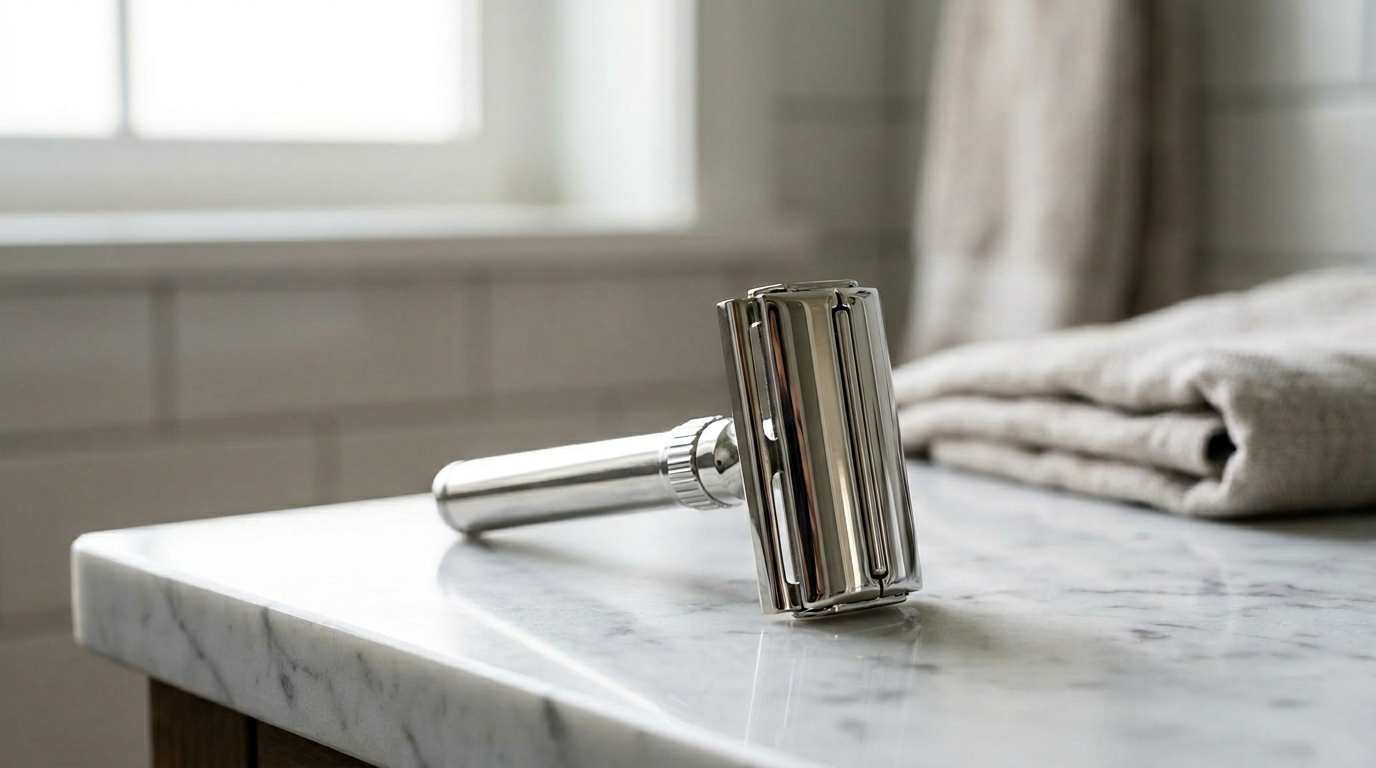
An adjustable safety razor is the closest thing to owning several razors at once. A dial or plate change moves the blade gap and exposure, so the same handle can shave a tender neck gently one day and mow down a coarse beard the next.
Why adjustables make sense
Most fixed razors lock you into one level of aggression. If it is too mild you get tugging; too aggressive and you get irritation. An adjustable lets you find your setting by feel instead of buying a new razor.
The mechanism changes how far the blade sits from the guard. If that idea is new to you, our explainer on blade gap covers why that distance drives most of the difference you feel.
What to look for
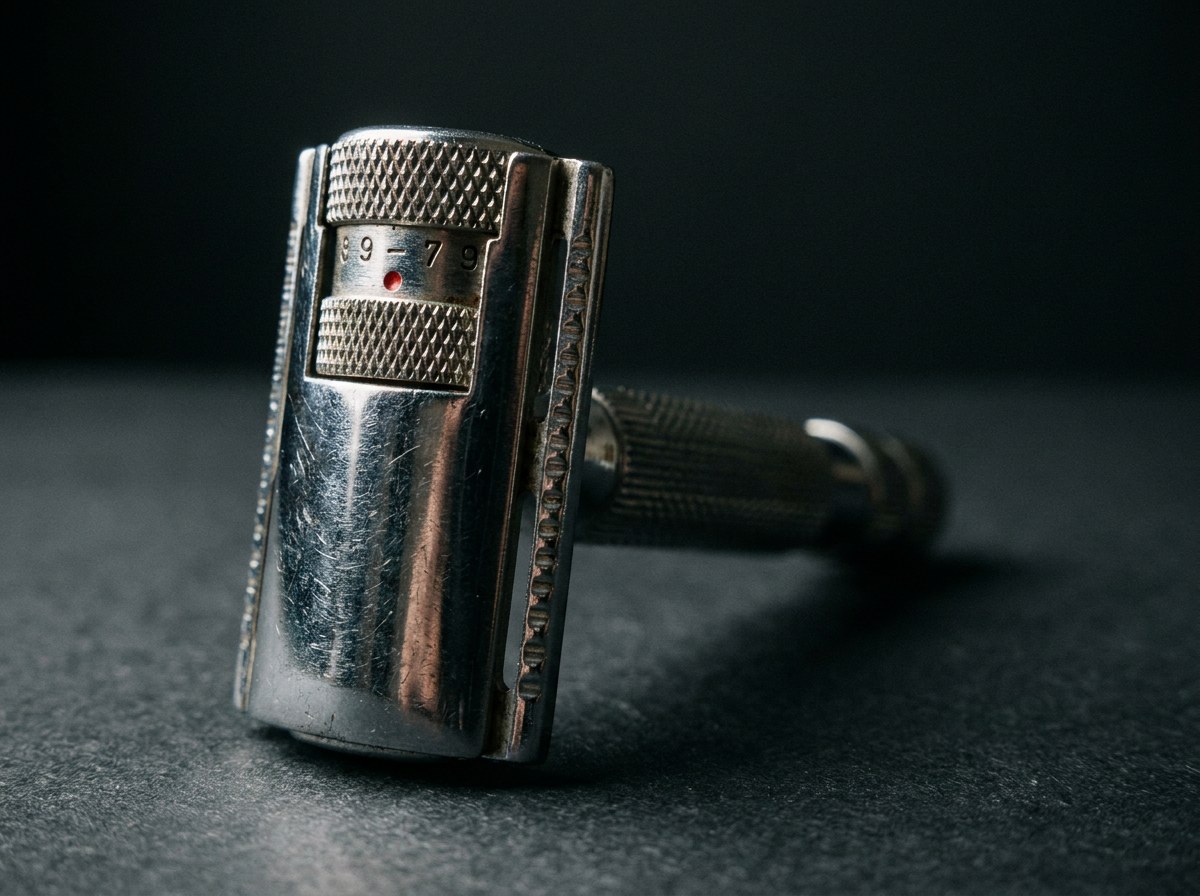
Look at the setting range, how easy the dial is to read, and the build. A twist dial on the handle is quick to adjust mid-shave, while plate-swap systems trade convenience for a lower price.
Beginners often overshoot. If you are still learning pressure and angle, start low and climb. Our guide to mild vs aggressive razors explains what each end of the range feels like.
A few worth knowing
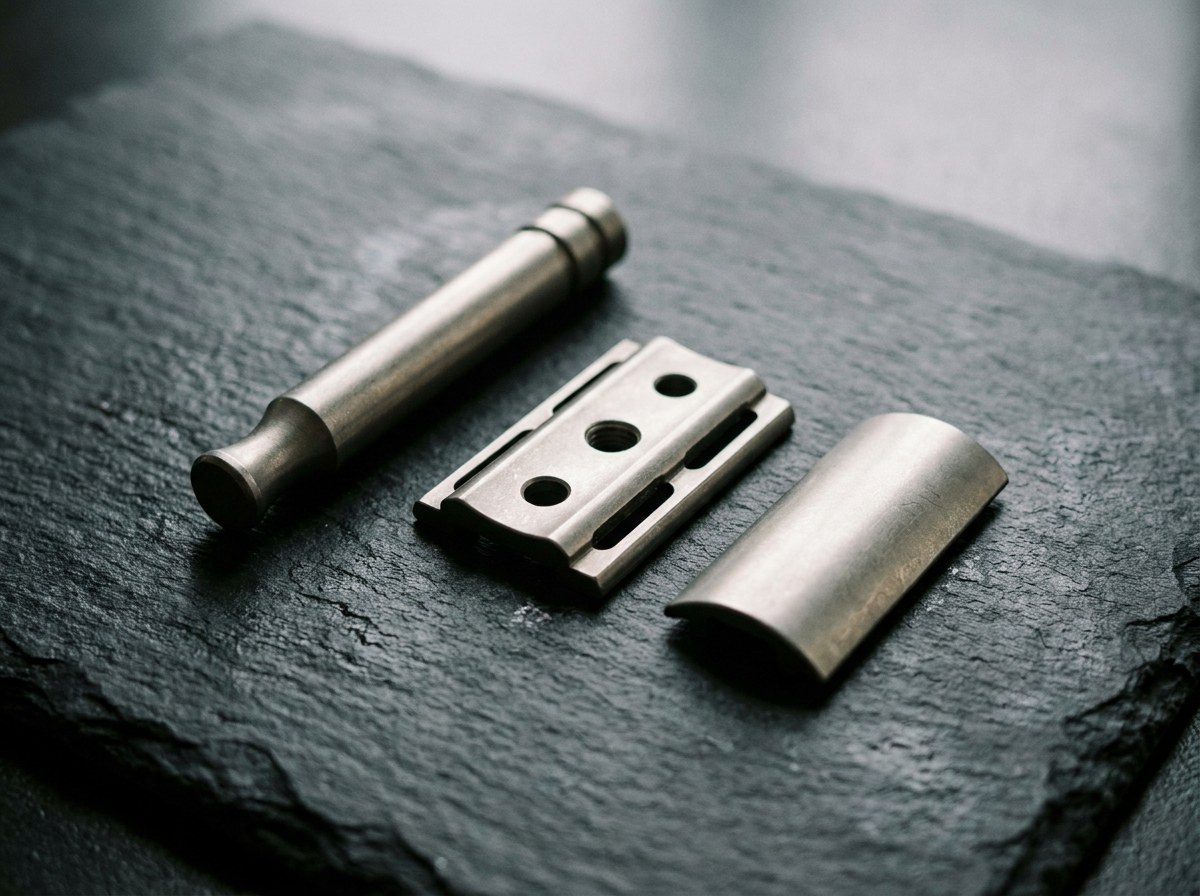
The Rockwell 6S is a stainless plate-swap razor with six settings, a common pick for people who want range without a dial. Manufacturer figures put it among the heavier stainless options, which many shavers like for the balance.
Twist-to-open adjustables from Merkur and the vintage Gillette Fatboy are the classic dial designs. Street prices on new units run higher than a basic three-piece, so decide whether the flexibility earns its cost for your routine.
| Razor | Adjustment | Settings | Material | Best for | Tier |
|---|---|---|---|---|---|
| VIKINGS BLADE The Emperor | Twist dial | Continuous | Alloy, chrome finish | Trying adjustability without commitment | Budget |
| MERKUR Futur 700 | Twist dial | Continuous | Matte chrome, snap-on cap | Coarse growth and bigger hands | Mid |
| MERKUR Progress 510 | Twist dial | Continuous | Chrome, closed comb, long handle | The default dial recommendation | Mid |
| Parker Variant | Twist dial | Continuous | Graphite finish, closed comb | A wider range in one razor | Mid |
| Rockwell Razors 6S | Plate swap | 6 fixed settings | Matte stainless steel | Repeatable settings, no dial drift | Upper mid |
| Rex Ambassador | Twist dial | Continuous | 316L stainless steel | Buy once, adjust forever | Premium |
Prices move, and stock does too. Each of these opens the product page on Amazon in a new tab.
Six adjustable razors worth knowing
Shavory earns a commission on qualifying purchases through the Amazon links on this page, at no extra cost to you. Picks are chosen on mechanism, build and range, not on commission.
VIKINGS BLADE The Emperor: Trying adjustability without commitment
The cheapest way to find out whether adjustability actually suits you. A twist dial on a chromed alloy body, sold with a case. Build tolerances are not in the German or stainless league, but for a first adjustable it answers the question you are really asking: do I want to change settings at all, or was I always going to leave it on one number?
Check price on Amazon Twist dial · Alloy, chrome finish
MERKUR Futur 700: Coarse growth and bigger hands
Heavy, bold, and the most aggressive of the Merkur dials at the top of its range. The snap-on cap has no exposed threads, so it wipes clean quickly. The head is large, which is exactly what some shavers want and exactly what makes it awkward under the nose. Made in Germany.
Check price on Amazon Twist dial · Matte chrome, snap-on cap
MERKUR Progress 510: The default dial recommendation
The long-handle Progress is the adjustable most often handed to someone who asks where to start. It runs milder than the Futur through most of its range, the dial is easy to read, and the closed comb is forgiving while you are still learning pressure. If you want one dial razor and no further thinking, this is usually it.
Check price on Amazon Twist dial · Chrome, closed comb, long handle
Parker Variant: A wider range in one razor
Parker’s dial razor covers a notably broad span from mild to genuinely aggressive, which is the whole argument for adjustables. The graphite finish hides water spots better than bright chrome. If your face and neck want clearly different settings, this range is the point.
Check price on Amazon Twist dial · Graphite finish, closed comb
Rockwell Razors 6S: Repeatable settings, no dial drift
Not a dial. Six numbered baseplates give six defined levels, so a setting is exactly repeatable and cannot creep mid-shave. The trade is convenience: changing level means disassembling the razor rather than turning a knob. Stainless construction means it outlasts plated finishes. This is the one the article already mentioned, and it earns the mention.
Check price on Amazon Plate swap · Matte stainless steel
Rex Ambassador: Buy once, adjust forever
American-made stainless with a dial that moves under load without losing its setting. At this price it competes with owning three good fixed razors, so the case for it rests on wanting one object that does everything and lasts decades. Machining and finish are the reason people pay it.
Check price on Amazon Twist dial · 316L stainless steel
Is an adjustable right for you
If your beard and skin are predictable, a good fixed razor may serve you fine. If you shave different areas that each want a different feel, or you share a razor across a household, adjustability pays off.
What an adjustable actually costs to run
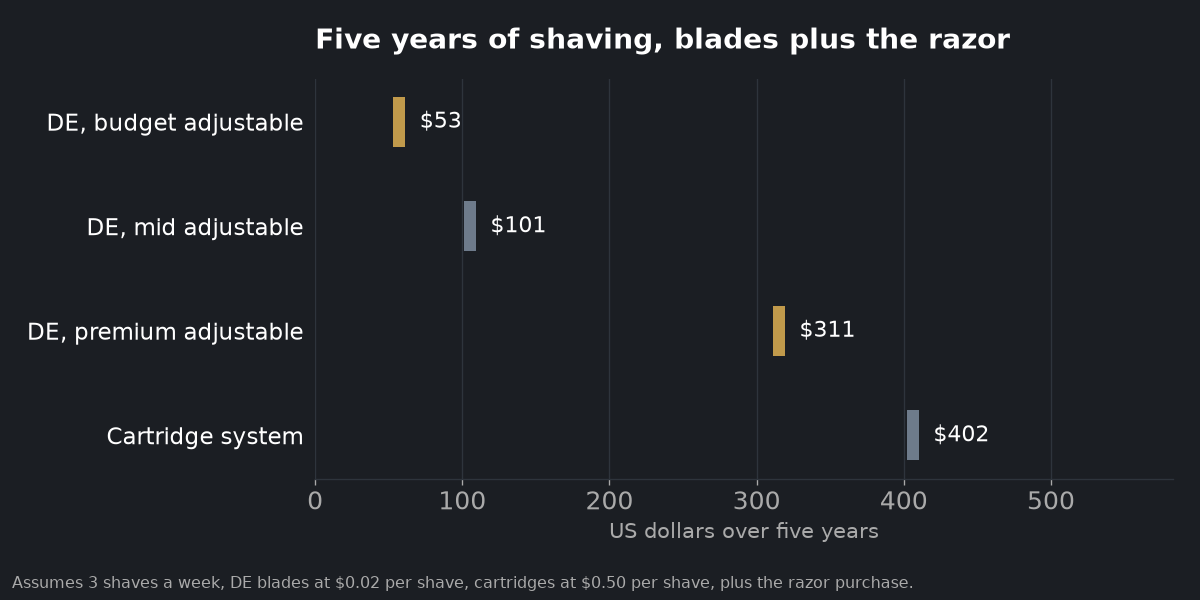
The razor is the visible number, so it is the one people compare. It is also the one that stops mattering after the first year. What decides the total is the blade you drop in twice a week, and that is where the double-edge format separates from cartridges by roughly an order of magnitude per shave.
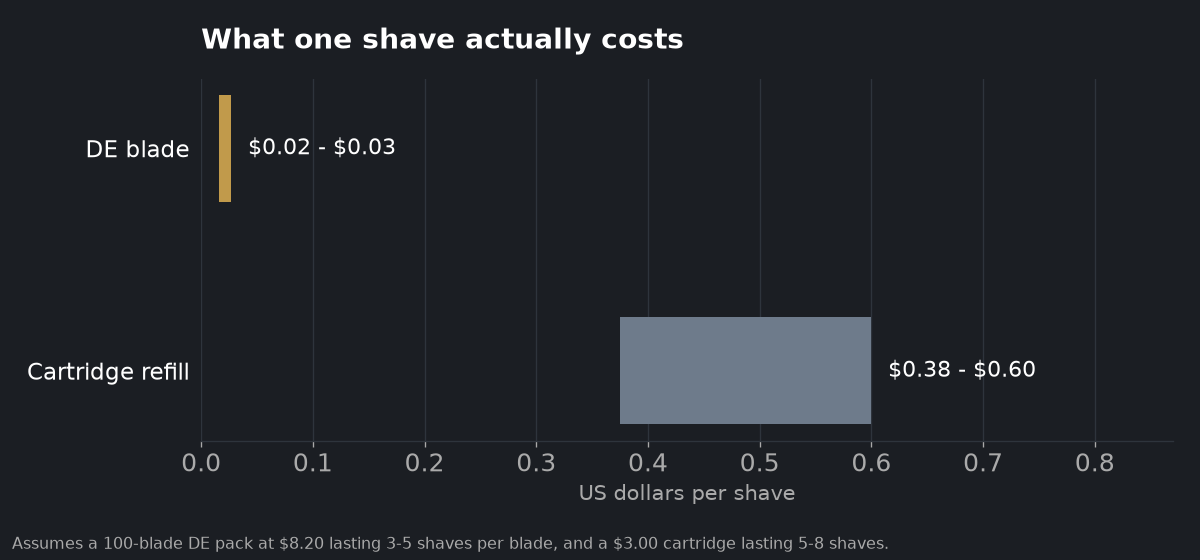
Blades and the razor only. Soap, brush and aftershave are the same either way, so they are left out on purpose.