Open Comb vs Closed Comb Razors: What Actually Changes
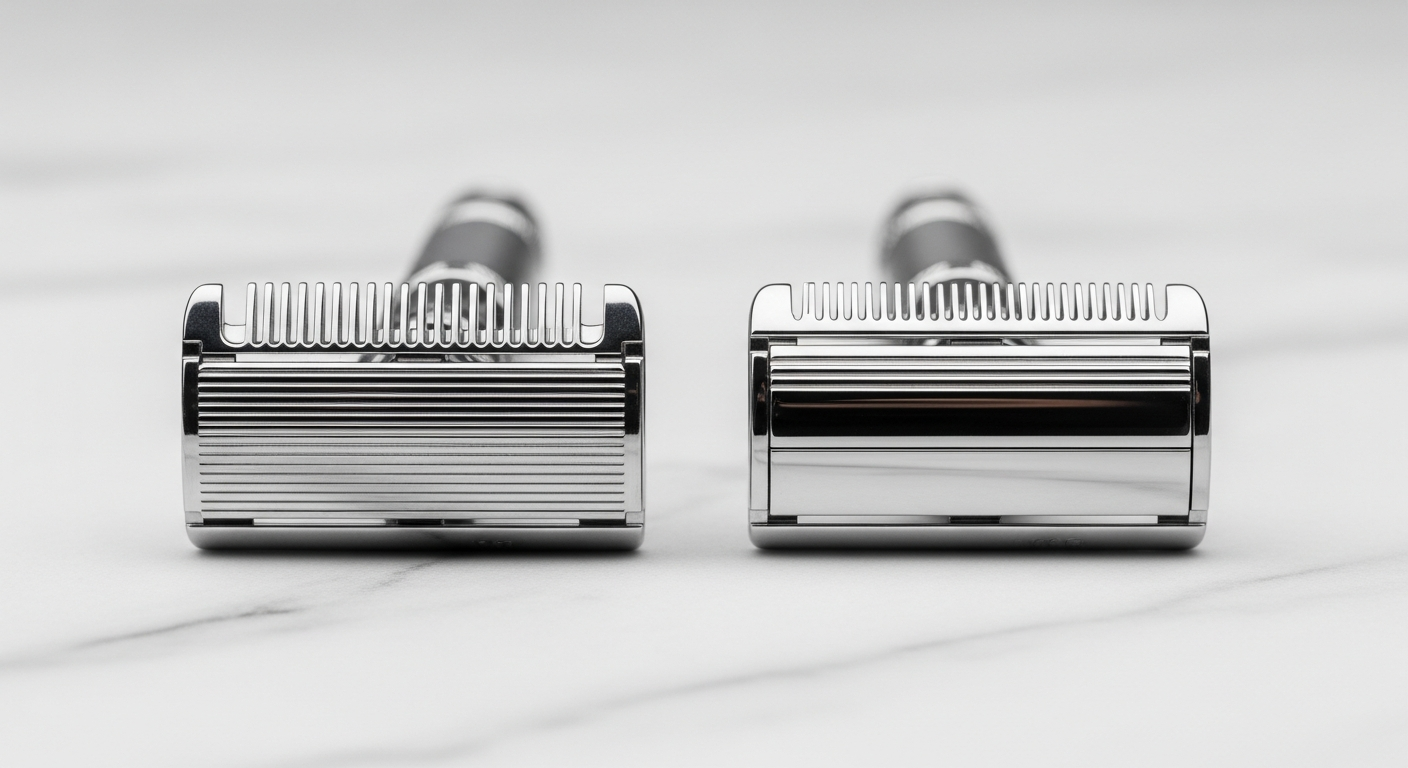
An open comb razor exposes more of the blade edge through a row of teeth, while a closed comb razor covers the blade with a solid safety bar. That single design choice changes how much blade angle you get, how aggressive the shave feels, and how well the razor clears a thick or wet beard.
If you have ever wondered why two razors with the same blade feel completely different, the comb style is usually the answer, not the blade itself.
Shavory earns a commission on qualifying purchases through the Amazon links on this page, at no extra cost to you. Picks are chosen on performance and value, not on commission.
What is the actual difference in the plate design
A closed comb bar sits flush against your skin and limits how much blade can reach the hair. It buffers the edge, which is why most beginner razors use this design. The Merkur 34C is a classic example of a closed comb plate that stays forgiving even at a steep angle.
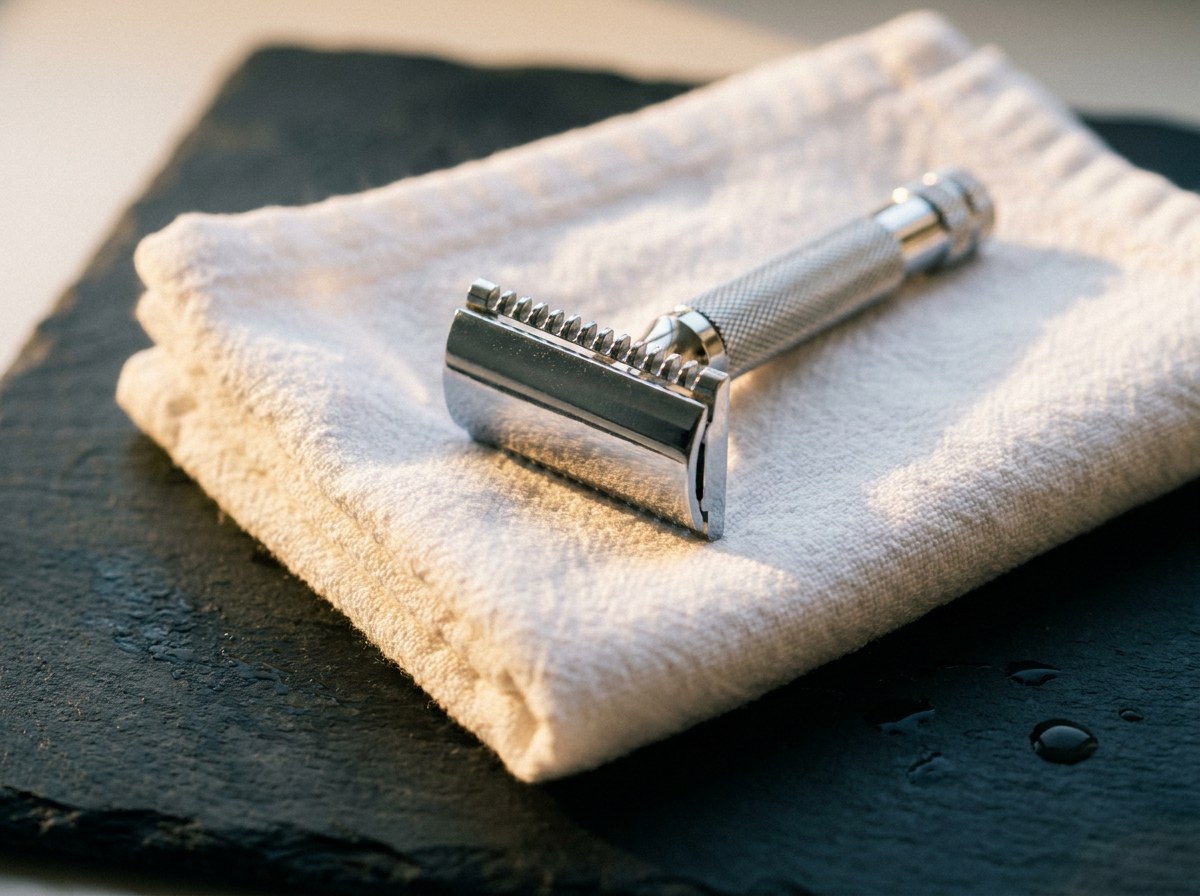
An open comb head has individual teeth spaced along the top, so more blade surface is exposed between them. That exposure lets the blade bite into longer or coarser hair before it gets a chance to bend the strand flat, which is the main reason wet shavers with thick beards gravitate toward this style.
| Razor | Comb | Character | Best for |
|---|---|---|---|
| Merkur 25C | Open comb | More aggressive, long handle | Heavy or multi-day growth |
| Merkur 34C | Closed comb | Mild, heavy short handle | Daily shaving, most beards |
| Edwin Jagger DE89 | Closed comb | Mild, forgiving | Beginners and sensitive skin |
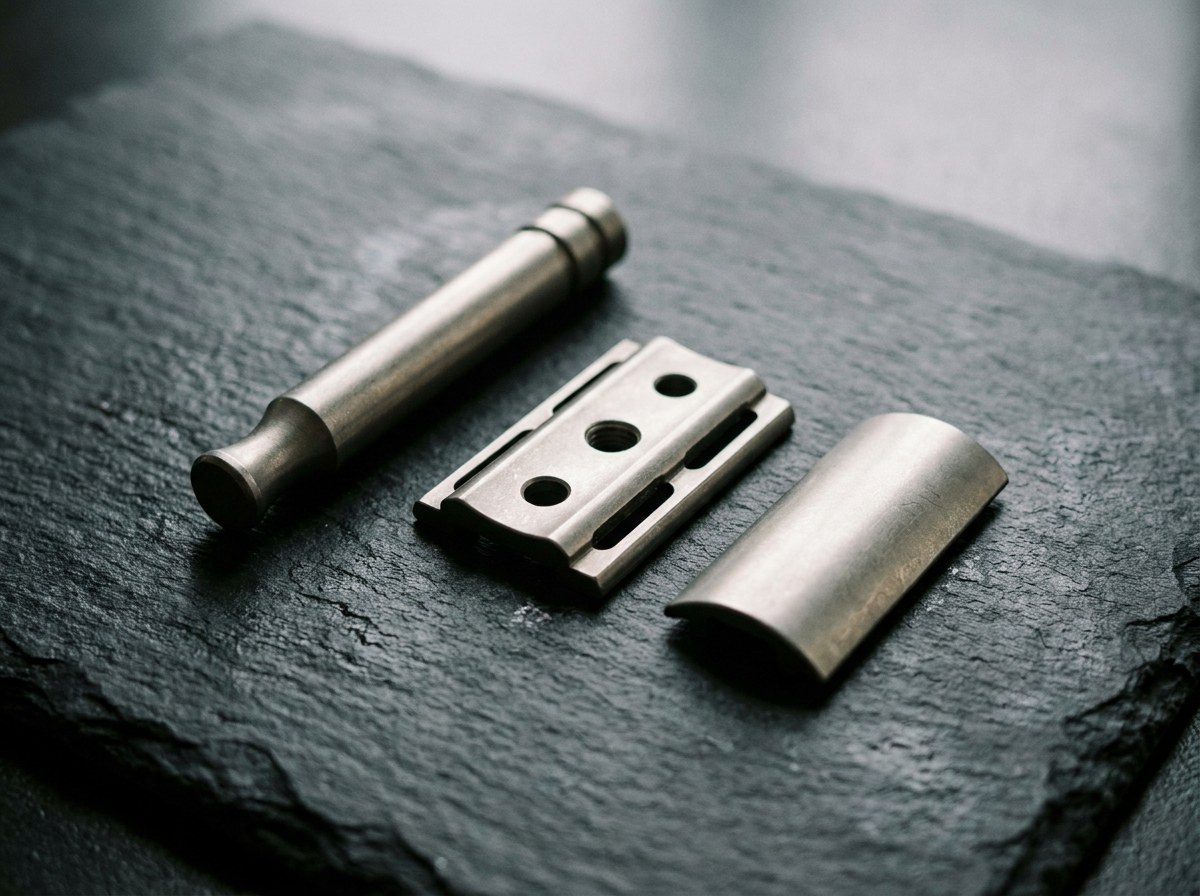
Which one feels more aggressive
Open comb razors generally feel sharper and more aggressive at the same blade angle, simply because there is less metal standing between the edge and your skin. This is not universal though. A mild open comb design can still shave gentler than a genuinely aggressive closed comb head. Aggressiveness comes from a mix of blade exposure, blade angle, and plate gap, not the comb style alone. Our mild vs aggressive razors guide breaks down how those factors stack.
Who should pick open comb and who should stick with closed comb
Closed comb suits anyone new to double edge shaving, anyone with sensitive skin, or anyone shaving a thin to medium beard. It forgives a wrong angle and rarely causes weepers on a learning curve. If you are still building technique, start with a razor from our best safety razor for beginners list, since most of them use closed comb plates.
Open comb makes more sense once you already know your angle and pressure, especially if your beard is dense, curly, or you shave after a long stretch without touching it up. It clears hair that would otherwise clog or bend under a closed bar, which matters most on day two or three growth rather than a fresh daily shave.
Does a wet, coarse beard change the answer
Yes, and this is where open comb earns its reputation. Coarse, water-logged stubble tends to lie flatter against skin, which makes it harder for a closed bar to lift and cut cleanly. The extra exposure on an open comb head gives the blade a better shot at catching that hair on the first pass.
If your beard is fine or you shave daily, this advantage mostly disappears, since there is less hair mass for the plate design to fight. Pairing either style with a sharp blade still matters more than most people expect, so do not assume the razor alone is the problem.