One Piece vs Three Piece Safety Razors: Which Is Easier to Load
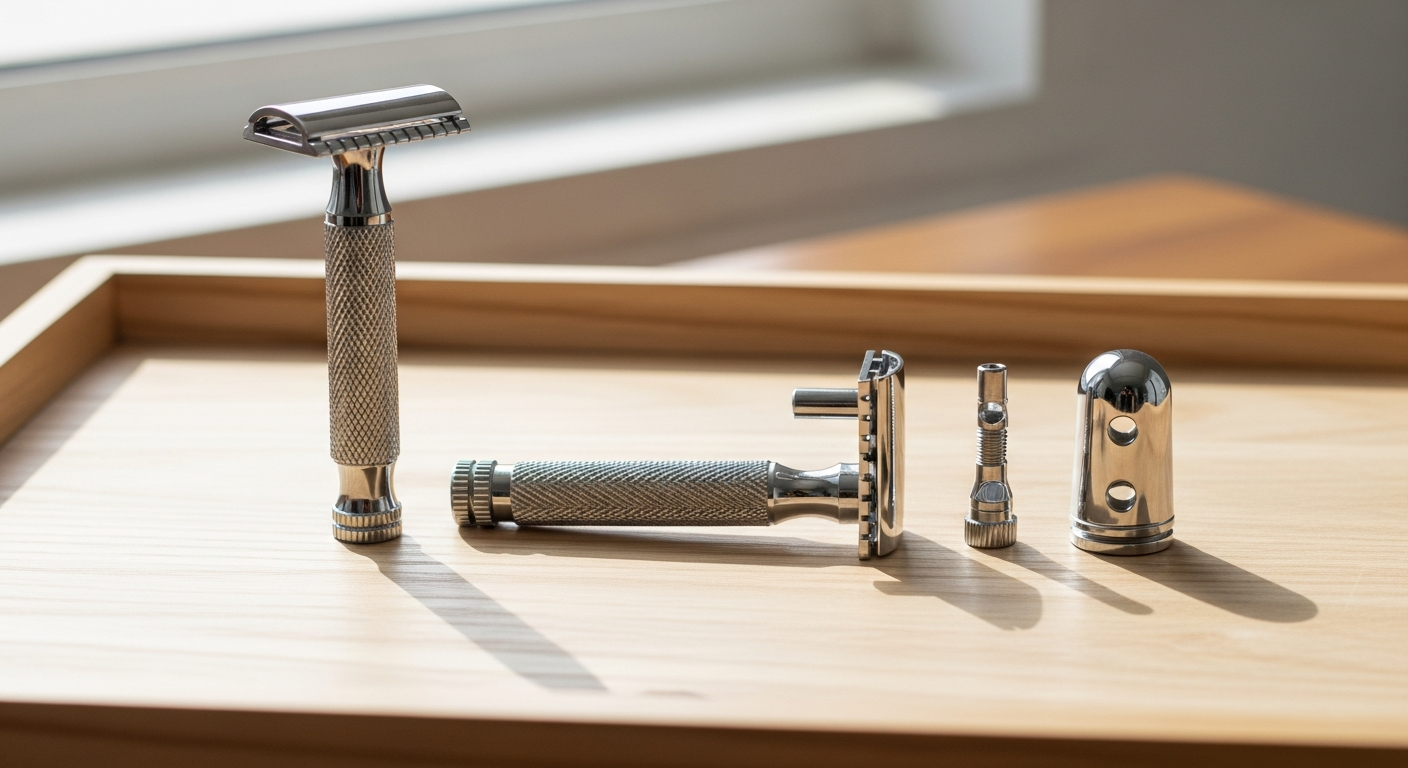
A one piece safety razor is faster to load because a twist knob opens the head without separating any parts, while a three piece razor requires unscrewing the handle and lining up a loose top cap and base plate every time. If speed and drop-proof simplicity matter most to you, one piece wins the loading contest outright.
The tradeoff shows up in cleaning and long-term reliability, which is where three piece designs start pulling ahead.
Shavory earns a commission on qualifying purchases through the Amazon links on this page, at no extra cost to you. Picks are chosen on performance and value, not on commission.
How loading actually differs between the two
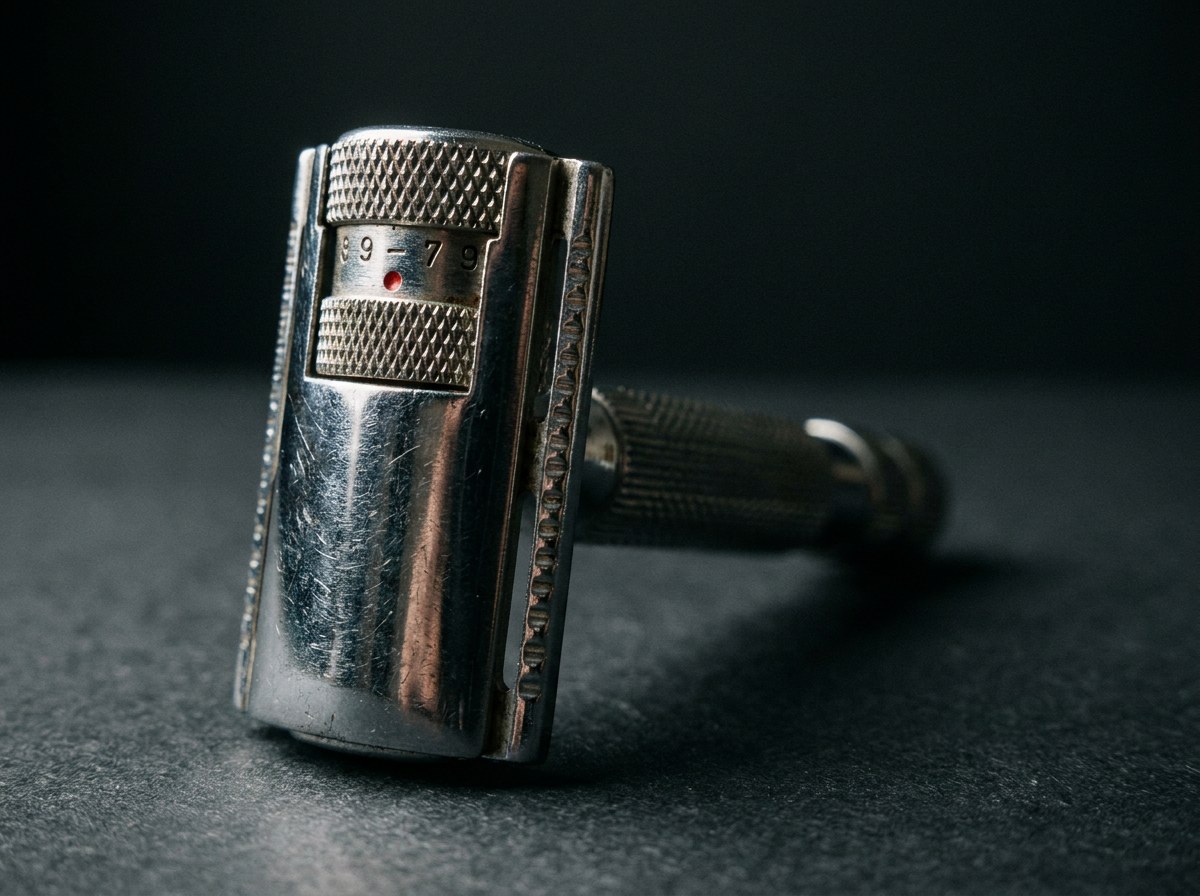
A one piece razor, sometimes called a twist to open or TTO design, uses a butterfly mechanism inside the head. You twist the base of the handle, the doors open like wings, and you drop a blade in without touching any separate hardware. The Rockwell 6S uses a plate system rather than TTO, but plenty of vintage Gillette and modern TTO razors follow this exact loading style.
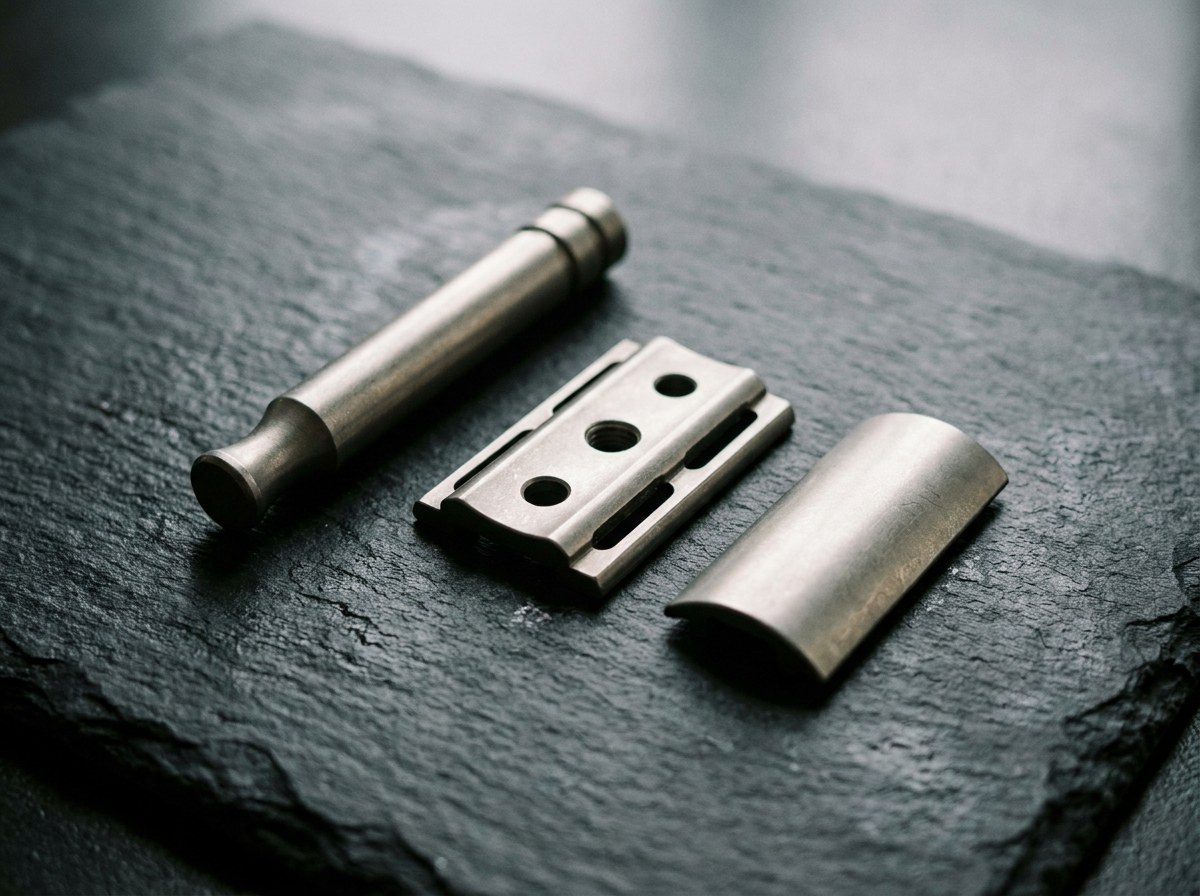
A three piece razor separates into a handle, a base plate, and a top cap. You lay the blade on the base plate, thread the handle through the center hole, and screw everything together by hand. It takes longer and there is a real chance of dropping a piece, especially over a hard bathroom sink. If you are just starting out, our how to use a safety razor guide walks through the loading motion step by step for both styles.
| Razor | Construction | Blade change | Best for |
|---|---|---|---|
| Parker 99R | One-piece butterfly | One twist | Speed and simplicity at the sink |
| Merkur 34C | Two-piece | Unscrew the handle | A middle ground with few moving parts |
| Rockwell 6S | Three-piece, six plates | Full disassembly | Adjustability and thorough cleaning |
Which one is easier to clean
Three piece razors win here. Because everything comes fully apart, you can rinse each piece under hot water and get into every corner where soap scum and hair clippings build up. A one piece TTO head has internal mechanisms that trap residue in spots a simple rinse cannot reach.
Over months of daily use, that buildup inside a TTO head can affect how smoothly the doors open and how evenly the blade sits. Three piece owners rarely deal with this because there is nothing hidden to clog.
What about travel and durability
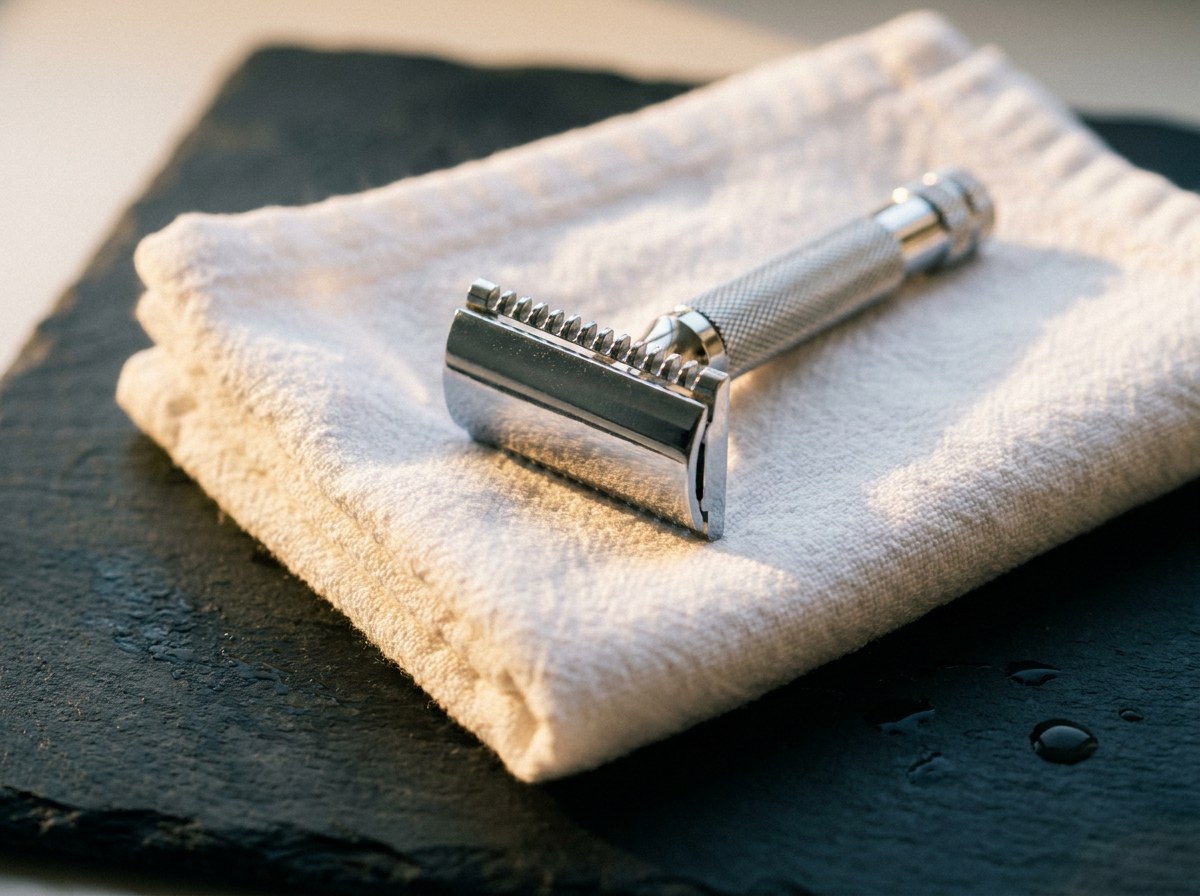
For travel, three piece razors have an edge you might not expect. Broken down into three parts, they pack flatter and there is no internal mechanism to jam from lint or debris in a dopp kit. A one piece razor stays intact, which is convenient, but a jammed twist knob mid-trip leaves you with no easy fix.
Reliability over years also tends to favor three piece designs, since a simple screw-together mechanism has fewer parts that can wear out. TTO mechanisms are precision engineered and generally hold up fine, but repairs are harder if something inside does fail. Blade choice affects both designs equally, so pair whichever razor you pick with a blade from our Feather vs Astra comparison to rule out the blade as your variable.
So which should you buy
Pick one piece if you shave in a rush most mornings and want to avoid ever dropping a base plate down the drain. Pick three piece if you want the deepest possible clean and do not mind the extra ten seconds of assembly. Neither choice locks you into a bad shave, since blade sharpness and technique still matter more than the loading mechanism.